

An apparently grounded Unicameral cattle-brand bill advanced to a final vote Wednesday evening after three western Nebraska senators agreed on a package of incremental changes.
Lawmakers agreed 37-0 to yet another rewrite of Sumner Sen. Teresa Ibach’s Legislative Bill 646 before giving it second-round approval on a voice vote.

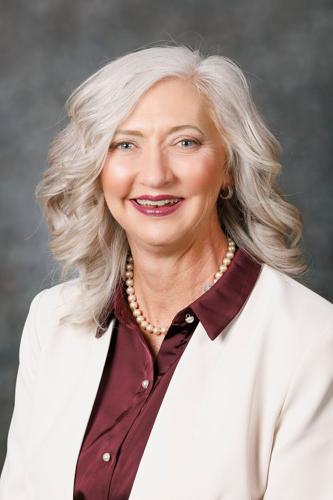
Ibach
The measure, which as introduced in January would have exempted western and central Nebraska registered feedlots from brand inspections, now would halve their annual registration fees from their current $1 per head of their “one-time” capacity to 50 cents per head.
LB 646 would let the Nebraska Brand Committee charge up to $1.50 per head for its regular cattle-brand inspections or inspections done by electronic means. Maximum fees for both now are $1.10 per head.
Brand inspectors also could collect a surcharge of up to $20 per inspection site for travel expenses under an Ibach floor amendment that senators adopted 36-0. Inspectors previously were allowed to charge for mileage.
People are also reading…
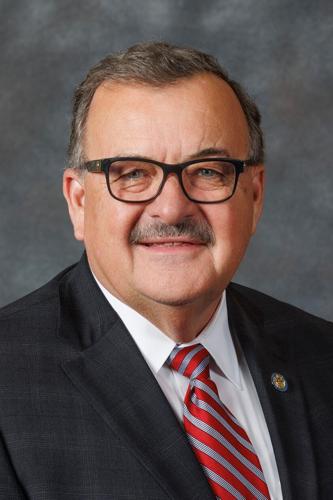
Jacobson
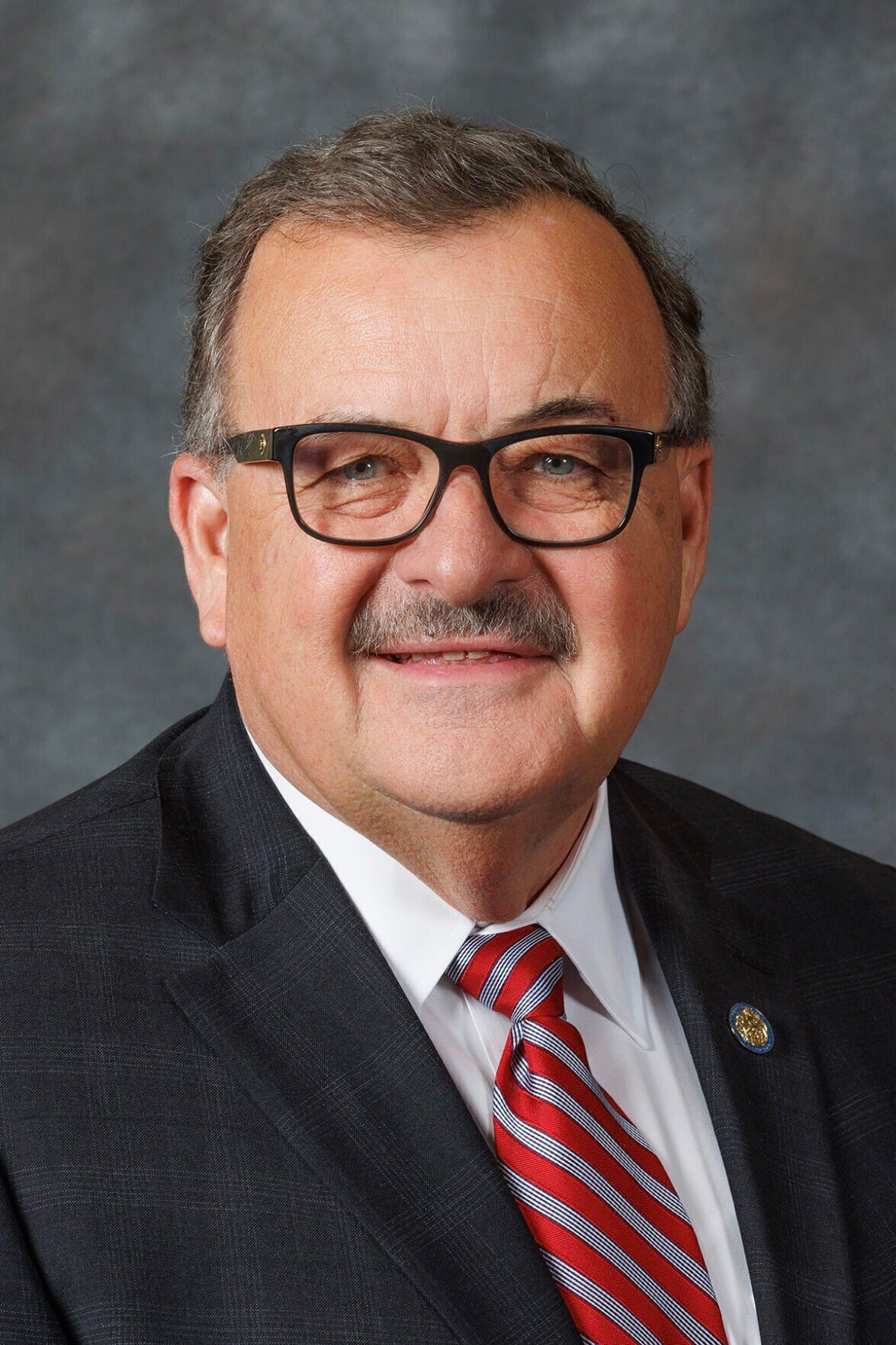
The latest rewrite, offered by Sen. Mike Jacobson of North Platte, also retains a brand-inspection exemption for dairy cattle shipped to or from qualified dairies. Lawmakers agreed to it during first-round floor debate April 2.
“This was a compromise that no one’s completely happy with,” Jacobson said Thursday. “But it’s a step forward and addresses a lot of the issues that were brought up.”
Most importantly, “in the end, we protected the integrity of the brand because we didn’t change any of the statutes on the books today on brand inspection.”
Jacobson, Ibach and Sen. Tanya Storer of Whitman hastily met Wednesday to work out the LB 646 rewrite after Speaker John Arch of La Vista unexpectedly scheduled Ibach’s 2025 priority bill for renewed debate.
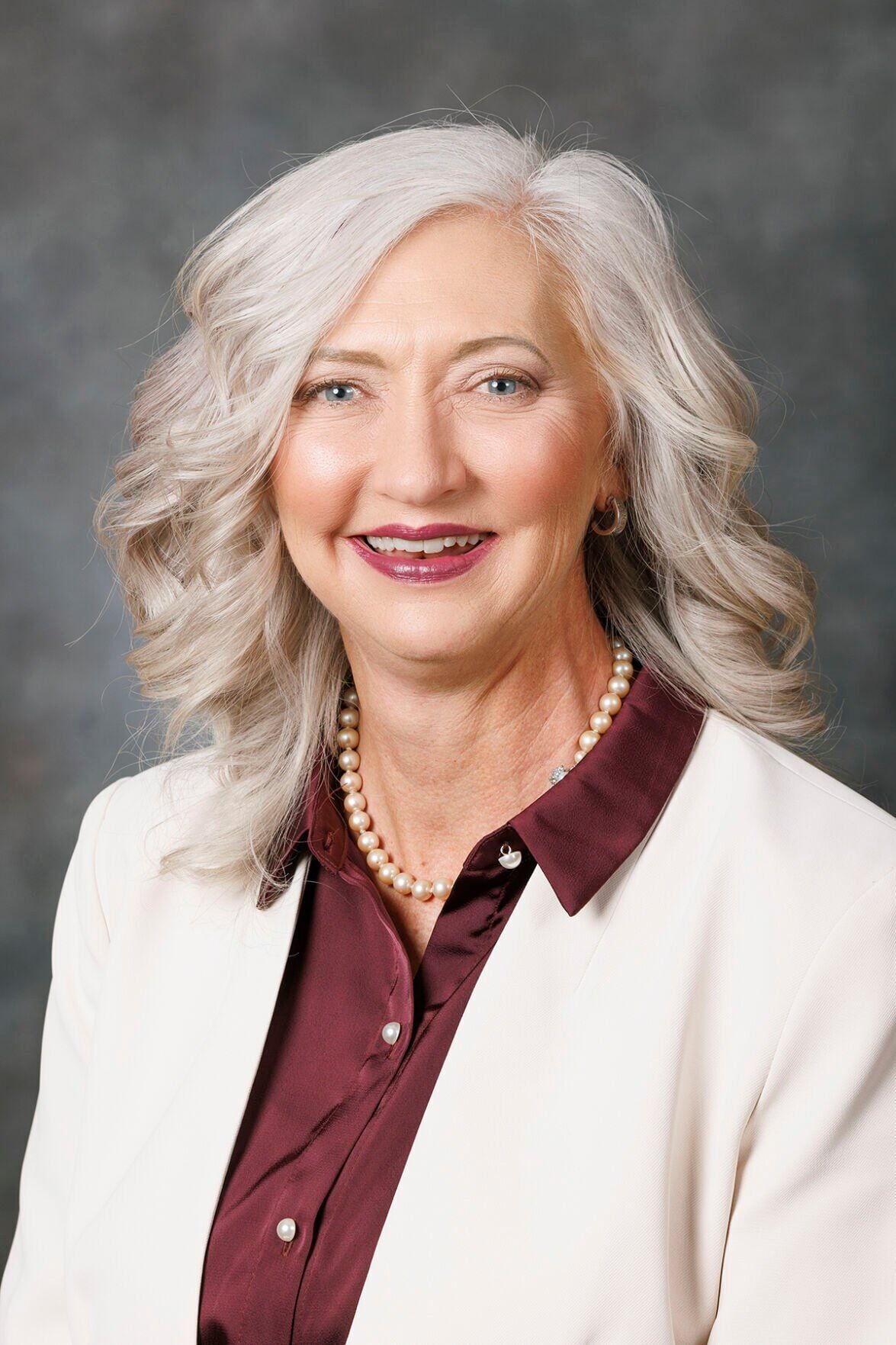
District 43
Tanya Storer
Whitman
Elected 2024
402-471-2628
All three western senators represent chunks of Sandhills or Panhandle ranch country. But LB 646’s initial April debate pitted Storer, a rural Cherry County rancher defending the need for physical cattle brands, against Ibach, a rural Dawson County farmer and cow-calf operator whose first bill draft reflected registered feedlots’ desire to be freed of the 150-year-old system and its burdens of proving cattle ownership.
Eastern Nebraska cattle growers and feedlots are excused from mandatory brand inspections. The state’s brand inspection area, established in 1941, currently covers 52 western and central counties and part of Knox County.
Senators gave Ibach’s earlier rewrite of LB 646 26-2 initial approval. But the District 44 senator said afterward she wouldn’t push for further action unless the state’s various cattle industry sectors could reach some agreement.
Jacobson didn’t vote on the bill’s first-round advancement, but he said ranchers in Lincoln County and his four Sandhills counties to its north were opposed to undercutting the brand system.
Ibach said Thursday that the three main items in Jacobson’s amendment emerged from an April roundtable hosted by Gov. Jim Pillen. It included representatives of the Brand Committee, Nebraska Farm Bureau, the Nebraska Cattlemen and the Nebraska State Dairy Association.
The three western lawmakers also attended that session, as did Sens. Brad Hansen of Blair and Barry DeKay of Niobrara, Ibach said.
“We discussed not only the bill but how do we protect the integrity of the cattle industry when we don’t have brand inspection in eastern Nebraska but this (brand system) is something the brand inspection area wants to keep,” the District 44 lawmaker said.
Like Jacobson, Storer said the main virtue of the LB 646 compromise was that Nebraska’s physical brand-based proof of ownership continues for now.
“In the bill that Sen. Ibach was proposing up to that point, they would have weakened the inspection system,” the District 43 senator said. “It was always my No. 1 priority to preserve that.”
But the three western senators agreed that LB 646, which faces one more floor vote before going to Pillen, won’t solve the long-running dispute between cattle growers and feedlots over the best means of proving valid ownership.
A 2020 effort to find consensus fell apart between two meetings held that fall in North Platte. The Legislature passed a bill in 2021 retaining the traditional physical brand system but saying “non-visual identifiers” could be used to prove ownership.
Two Unicameral interim studies — one led by DeKay and the other by the Agriculture Committee — will continue the search for improvements this summer and fall, Ibach and Storer said.
But the struggle “will probably never be settled,” Storer said. “The original bill is what (the feedlots) wanted. They wanted to be exempted, and that is not acceptable. We will continue to fight to make sure that does not happen.”
Ibach said she took heart from the lack of floor opposition to Wednesday’s compromise. “I think that sends a sign to everyone that we need to pay attention to the system and identify ways that we can modernize and make it more effective for all cattle producers.”