




Several chances to spot meteors sailing across the night sky are coming up.
Here are a few to put on your calendar, according to the American Meteor Society:
Orionids
This meteor shower stretches from Oct. 2 to Nov. 7, peaking on the night of Oct. 21 to 22. While this shower can produce about 50 to 75 meteors per hour during peak years, recent displays were more humble. It’s also worth noting the moon will be 80% full during the peak night, so the few hours between moonset and dawn will provide a more limited viewing opportunity.
Southern Taurids
Set to take place between Sept. 20 and Nov. 20, this meteor shower actually includes two components — one that will peak on the night of Oct. 13 to 14 and a second that will peak on Nov. 4 to 5. While the second component is known for its fireballs during “swarm years,” the American Meteor Society indicates this isn’t a “swarm year,” thus the mid-October peak may actually bring the best chance to view this one. During the first peak night, the moon should be about 10% full; the moon will be about 18% full during the second peak. Both the Southern and Northern Taurids (more on that below) tend to have less activity — about five to 10 meteors per hour.
People are also reading…

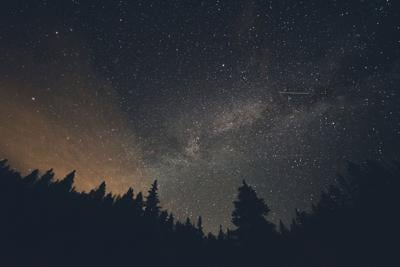
Meteors are seen over Breckenridge, Colo.
Northern Taurids
Coinciding with the Southern Taurids, the Northern Taurids meteor shower stretches from Oct. 20 through Dec. 10, peaking the night of Nov. 11 to 12. On that night, the moon will be about 7% full. The best viewing time will be after midnight, but again, expect five to 10 meteors per hour rather than dozens.
Leonids
Another meteor shower that likely will bring lower numbers this year — about 10 to 15 meteors an hour — the American Meteor Society reports this event will run from Nov. 6 through Nov. 30. During the peak night — Nov. 16 to 17 — the moon will be about 45% full, though the American Meteor Society indicates this shouldn’t spoil the show for the best viewing time, which tends to be early morning hours.
Geminids
This is probably the best upcoming chance to see meteor activity similar to that of the Perseids, with the Geminids producing up to 150 meteors per hour during its peak. According to the American Meteor Society, it will stretch from Dec. 4 through Dec. 17, peaking on the night of Dec. 13 to 14 when the moon is 21% full. Worth noting, however, is that the moon should be set by the time the Geminids are best viewed.
Perseids 2029
While the Perseids meteor showers of 2027 and 2028 will be relatively obstructed by the glow of the moon, the Perseids meteor shower that is set to peak around Aug. 11 to 12, 2029, will occur when the moon is about 5% full. It’s not a new moon, but it’ll be about as close as it gets.