

WASHINGTON — The Supreme Court is casting doubt on President Donald Trump’s restrictions on birthright citizenship in a consequential case that was magnified by Trump’s unparalleled presence in the courtroom.
AP Special Report Spotlight
Supreme Court casts doubt on Trump's bid to limit birthright citizenship as he attends arguments
1 of 5
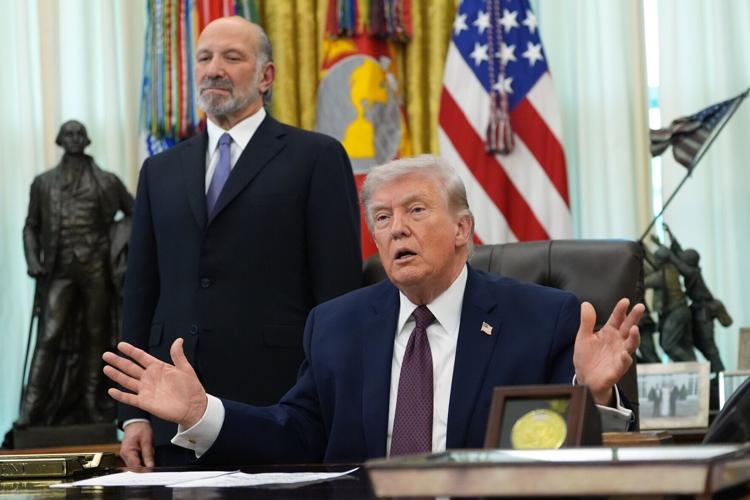
President Donald Trump answers questions from reporters after signing an executive order in the Oval Office of the White House, March 31, in Washington, as Commerce Secretary Howard Lutnick listens.
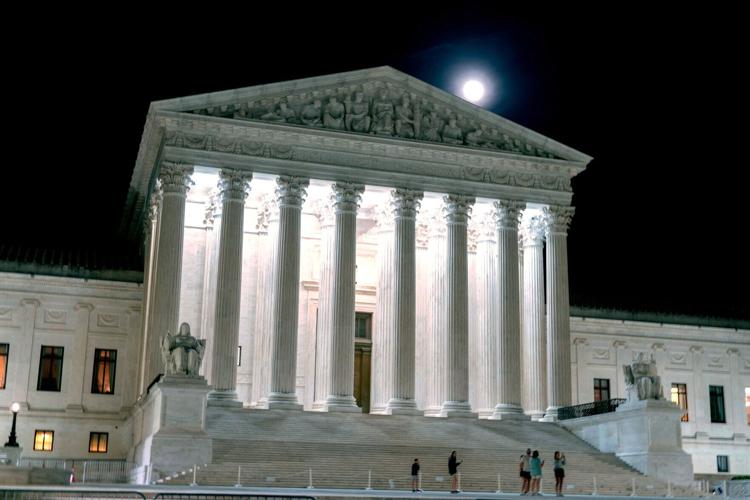
The U.S. Supreme Court is seen as the moon rises, March 31, in Washington.
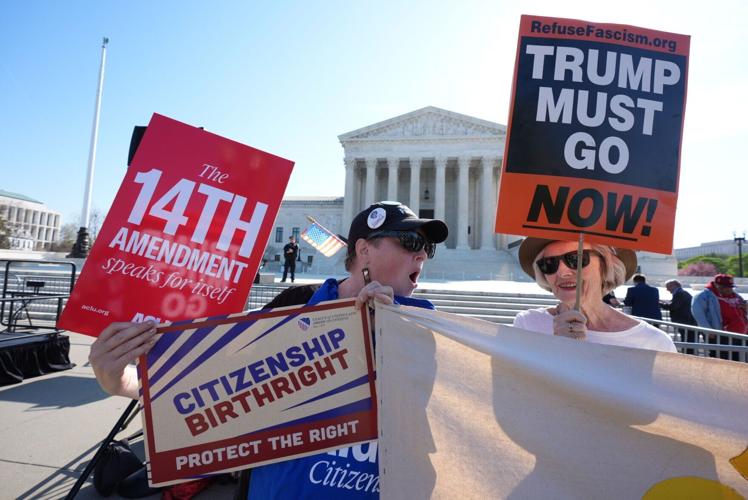
Pro and anti-Trump demonstrators rally outside the U.S. Supreme Court, before justices hear oral arguments on whether President Donald Trump can deny citizenship to children born to parents who are in the United States illegally or temporarily, on Capitol Hill, in Washington, Wednesday, April 1, 2026. (AP Photo/J. Scott Applewhite)
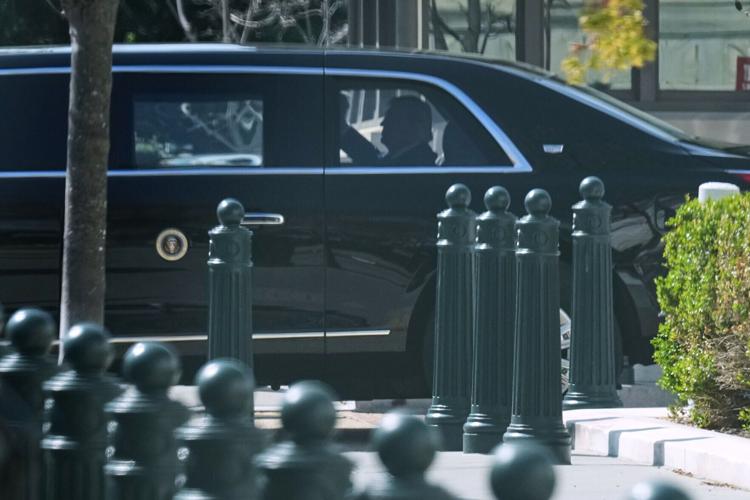
President Donald Trump leaves the U.S. Supreme Court, Wednesday, April 1, 2026, in Washington. (AP Photo/Mark Schiefelbein)
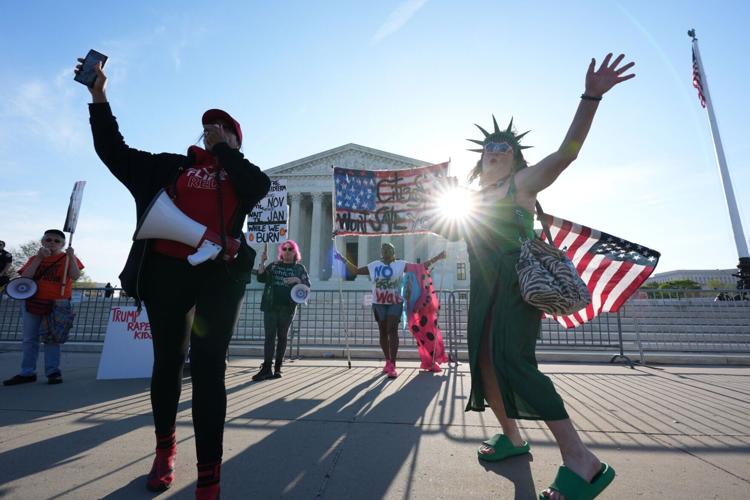
Pro and anti-Trump demonstrators rally outside the U.S. Supreme Court, before justices hear oral arguments on whether President Donald Trump can deny citizenship to children born to parents who are in the United States illegally or temporarily, on Capitol Hill, in Washington, Wednesday, April 1, 2026. (AP Photo/J. Scott Applewhite)

Trump raised concerns that colleges use personal statements and other proxies to consider race, which he views as illegal discrimination.

Trump targets birthright citizenship as the Supreme Court reopens the 14th Amendment battle, sparking protests and fears for US identity.

The Supreme Court on Tuesday ruled against a law banning "conversion therapy" for LGBTQ+ kids in Colorado, one of about two dozen states that …

The Supreme Court will hear arguments Wednesday over whether Trump's birthright citizenship order comports with the post-Civil War 14th Amendm…

Mail ballots, also called absentee ballots, have been the source of conspiracy theories from President Trump, who blames them for his loss in …


