
The record-high beef prices strained the wallets of U.S. consumers who also saw gas prices spike because of the Middle East conflict. Though demand remained generally strong for steaks and hamburgers, some shoppers shifted to other proteins, such as chicken, to save money.
Ahead of Independence Day on July 4, a major holiday for grilling, the Wells Fargo Agri-Food Institute estimated the cost of a summer barbecue for 10 people will rise by 2.4% from last year to $161, with hamburger beef up 14%.
"There is no real lever to pull in the domestic market to get more supply in the short term," said Michael Swanson, Wells Fargo's chief agricultural economist.
People are also reading…
President Donald Trump encouraged low-tariff imports of Argentine beef to cool U.S. prices, angering American ranchers, and directed the Department of Justice to investigate whether U.S. meat-packers are colluding to raise prices.
U.S. beef producers formerly imported Mexican cattle to fatten and slaughter for American consumers, but Washington blocked such imports more than a year ago because of the spread of the flesh-eating New World screwworm parasite in Mexico.
"In times like this when the domestic supply is already inadequate to meet domestic demand, the inaccessibility of Mexican cattle supplies exacerbates the supply/demand imbalance, sending markets spiraling," said Bill Bullard, CEO of cattle producers' group R-CALF USA.

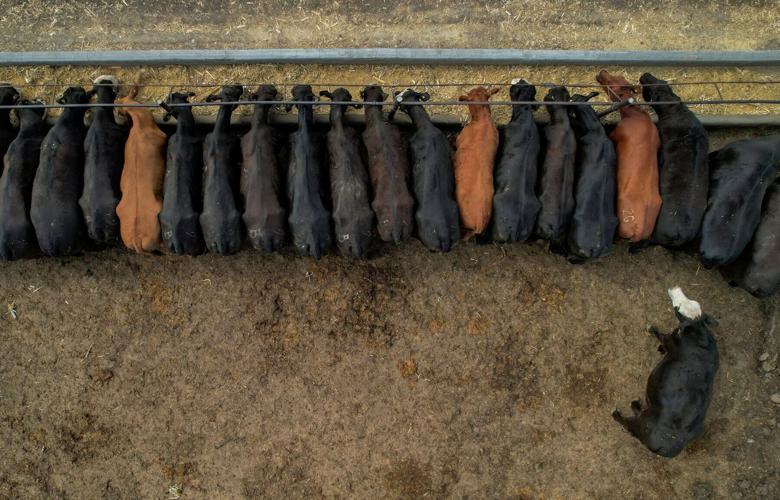
A drone view shows cattle eating at a feedlot June 1 in Saltillo, Mexico.
Record prices
The average retail price of one pound of lean and extra lean ground beef hit a record $8.62 in May, up more than 12% from a year earlier, according to the latest data from the U.S. Bureau of Labor Statistics.
Prices are predicted to remain high after a persistent drought burned pasture lands and hiked costs of cattle feed, forcing ranchers to slash their herds, economists said. Many ranchers delayed rebuilding due to a resurgence of dryness this spring and wildfires that ravaged more grazing land.
Brenda âMasek, a cattle producer in Purdum, Nebraska, said she didn's plan to expand her herd further, though recent rains benefited pastures. Many producers could still need to get rid of older cows amid dryness and a lack of hay, she said.
"Right now, I'm just happy if I can hold on to what I've got," âMasek said.

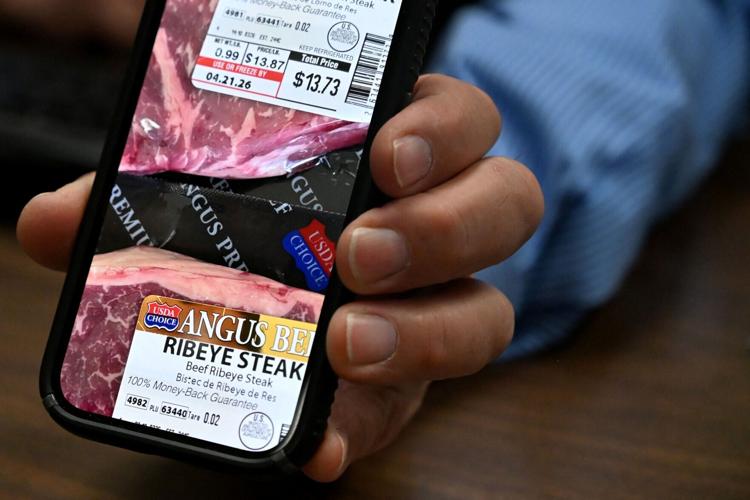
Kyle Williams shows the price of ribeye steaks April 22 in his office at Lubbock Feeders, a cattle feedlot he has been with for 26 years, in Lubbock, Texas.
Chicken looks cheaper
Ranchers have sent cattle to be slaughtered, rather than keeping them to reproduce, because of the severe weather and high prices. Once they decide to expand operations by retaining female heifers for breeding, it takes at least two years before new animals are ready to be processed into beef.
That timeline keeps supplies tight and prices high.
Facing a beef shortage, cooks can stretch their dollars by grilling chicken or pork instead, economists said.
An American Farm Bureau Federation survey of food costs for July 4 found that two pounds of ground beef were 5.5% more expensive than last year, at $14.06. Two pounds of chicken breasts cost 3.5% more at $8.06, while three pounds of pork chops cost 4.7% more at $14.79.