


Bosley was a giant of a dog – a cross between a mastiff and a Rottweiler.
People are also reading…
- Nebraska requests exemption from Medicaid work requirements in Dawson County
- The G.O.A.T. soon will occupy former Wonderbowl site
- Johnson Lake tests positive for E. Coli bacteria
- Holiday Inn Express & Suites joins Lexington community with ribbon cutting
- Kaden Barkmeier pitches no-hitter in Lexington's shut out of Broken Bow
- Lexington City Council unanimously approves rezoning
- Adrian Gomez Ramos joins Nebraska Community Foundation
- Event to support dislocated workers in Lexington to be held June 16 at Central Community College
- Float to the fire kayak event in Kearney
- Gov. Pillen, farmers, ranchers and ag industry supporters celebrate passage of LB 525
- Treyvan Berry and Maylin Novoa win Mingus and Ramsey awards
- Lexington juniors top Imperial 15-5 Wednesday at home
- Her son was born at 2.5 pounds. Now he’s a Super Bowl champion.
- Cattlemen’s Ball transforms Dawson County pasture into gathering place for hope
- Woman’s daughter among 2 arrested after her suffocation death in Elkhorn area
The Flatwater Free Press is Nebraska’s first independent, nonprofit newsroom focused on investigations and feature stories that matter.
Learn about water tests
How do I find Nebraska test results?
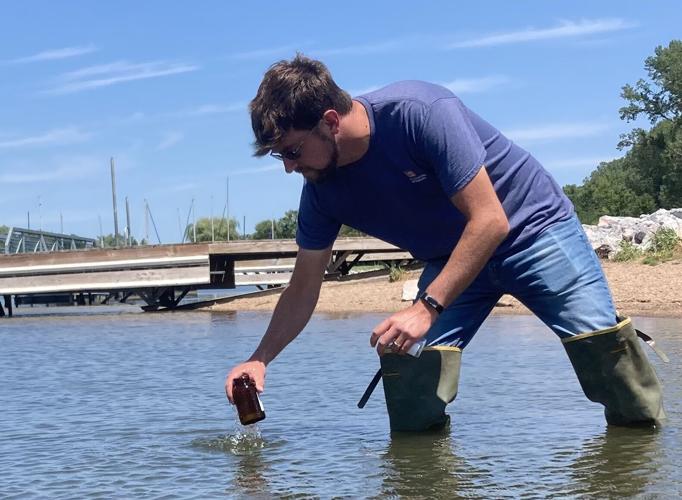
Testing occurs weekly from May through September. To see a list of lakes that are tested, the results and to sign up for an alert, visit NDEE Beach Watch https://deq-iis.ne.gov/zs/bw/.
What should I do if a lake tests high?
Avoid contact with the water, but especially keep pets and children out of the water.
Be aware that skiing or tubing could expose you to airborne particles.
If your pet goes into the water, wash them off as soon as possible so that they don’t lick the toxins on their coats.
What does an outbreak look like?
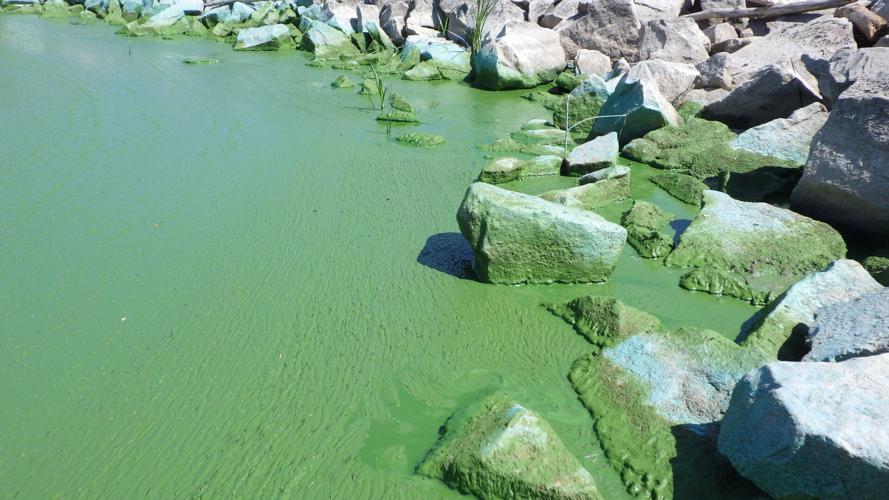
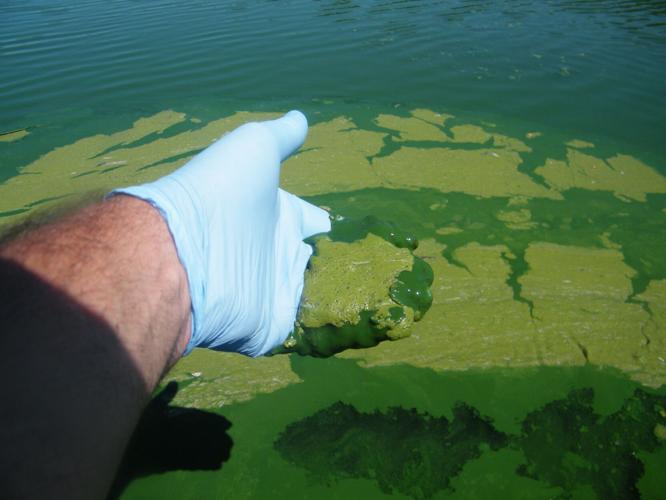
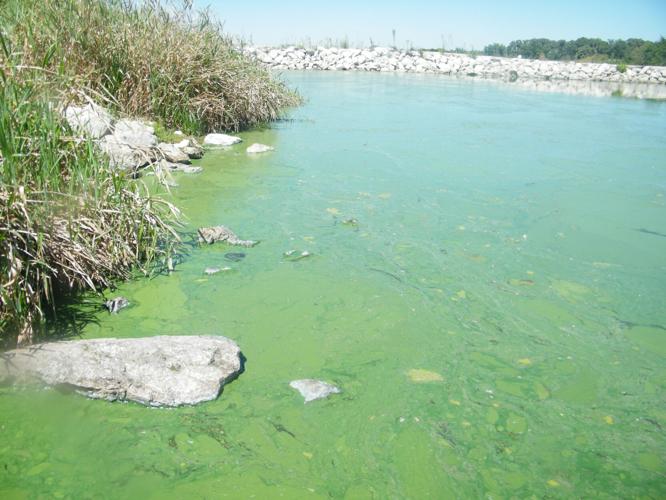
Toxic cyanobacteria can be present without being obvious. However, a major outbreak is visually unappealing and can be smelly. A bloom of toxic algae usually forms a thick green scum on the surface of the water, similar to John Deere green paint in color and consistency. As the bloom ages and cells begin to die, the bloom can turn a light blue or even whitish in color.
Because many public and private lakes aren’t monitored and because toxic cyanobacteria can be in one part of a lake, but not another, people are encouraged to learn the signs of an outbreak.
Sources: Nebraska Department of Environment and Energy, University of Nebraska-Lincoln and U.S. Geological Survey
Be the first to know
Get local news delivered to your inbox!


