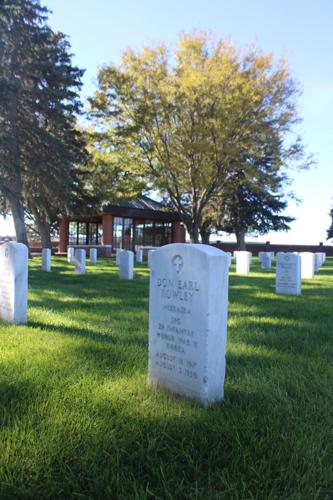

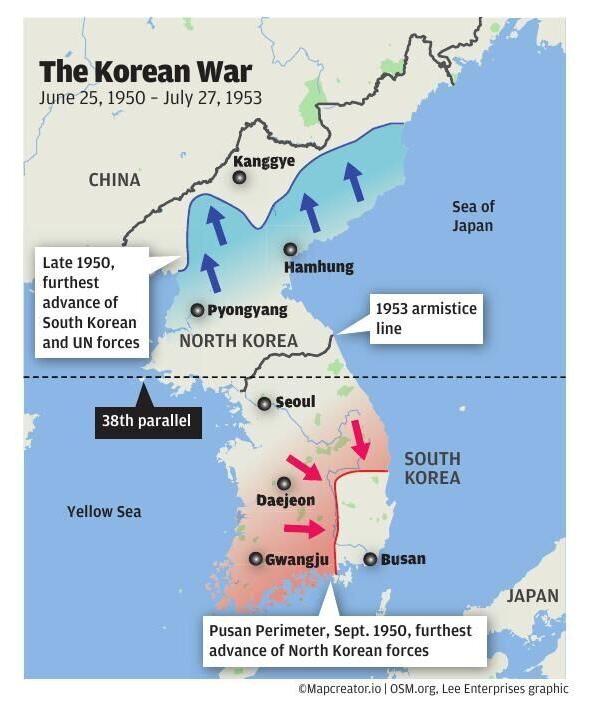
The grave of Sgt. 1st Class Don E. Rowley, North Platte's first publicly reported Korean War combat death, stands north of the shelter on the west end of Fort McPherson National Cemetery near Maxwell. Rowley, one of 58 western Nebraskans killed in the 1950-53 conflict, was a World War II veteran of North Platte's Company D of the 134th Infantry Regiment and escaped from a German prisoner-of-war camp in April 1945. He died in Korea Aug. 2, 1950, as U.S. and United Nations forces were driven into the Pusan Perimeter.
People are also reading…


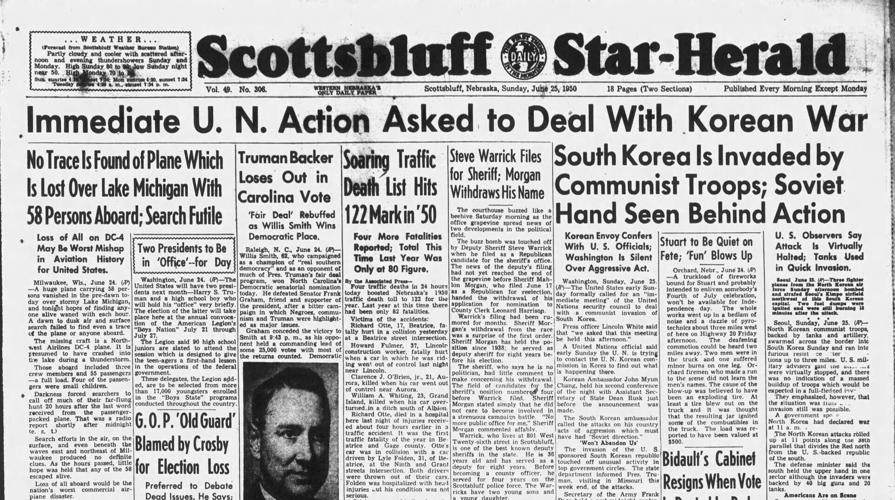
The Scottsbluff Star-Herald's edition of Sunday, June 25, 1950, was able to report the Korean War's outbreak because of the 16-hour time difference between western Nebraska and Korea.

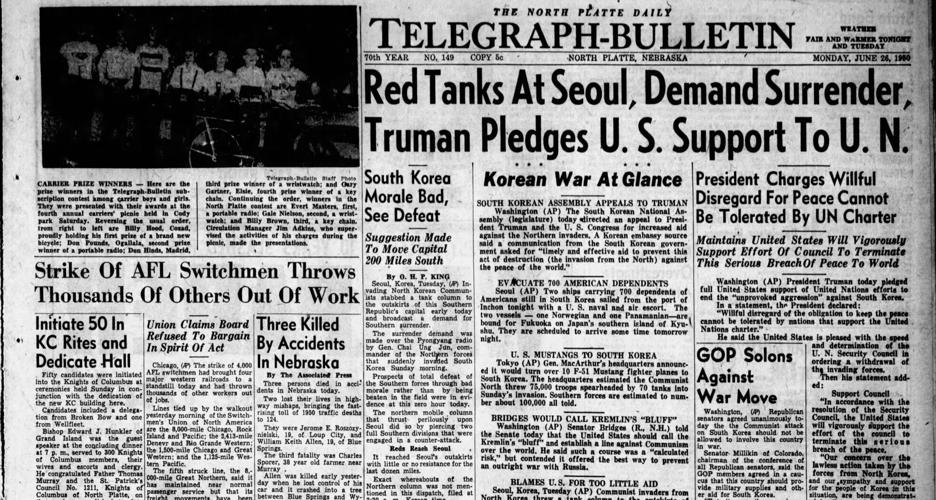
The North Platte Telegraph-Bulletin couldn't report the outbreak of the Korean War on Sunday, June 25, 1950, until the following day's afternoon edition.

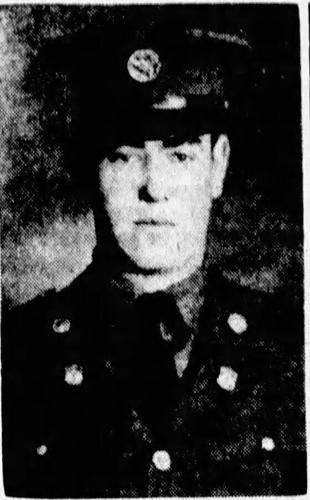
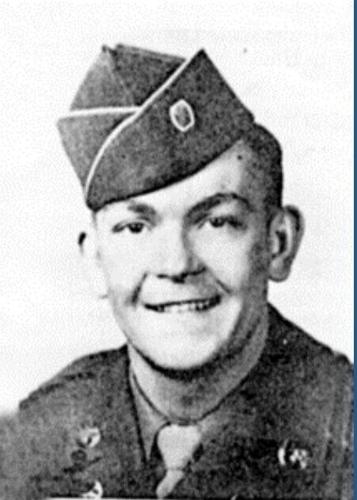
This U.S. Army photo of Sgt. 1st Class Don E. Rowley of North Platte ran in the Telegraph-Bulletin on Aug. 22, 1950, the day after the newspaper reported on his death during the initial retreat of U.S. and United Nations forces in Korea. Rowley was the first of nine Lincoln County service members killed during the 1950-53 war.

U.S. Army Pvt. Wayne Keith Click of Sidney, killed in Korea on July 24, 1950, was the third Panhandle service member to die in the 1950-53 war but the first whose death was publicly reported in the region. Air Force 2nd Lt. Donald A. Schwartz of Potter (July 7) and Army Master Sgt. Ray Wilson of Gering (July 19) were initially reported as missing in action.

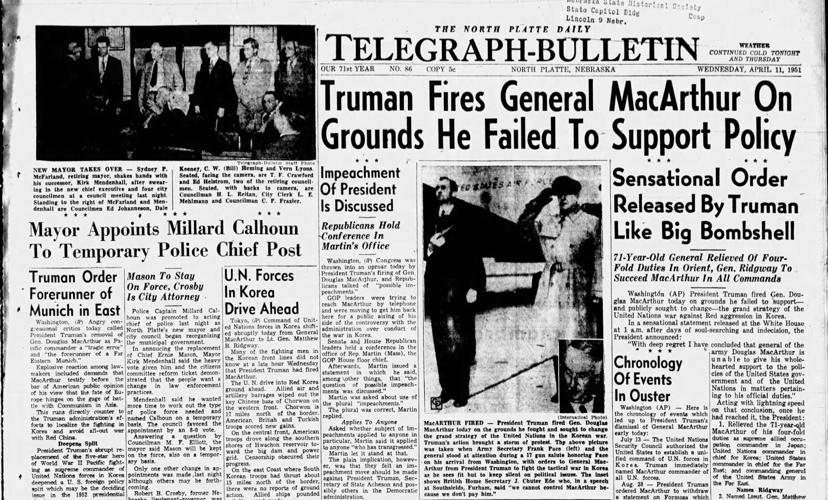
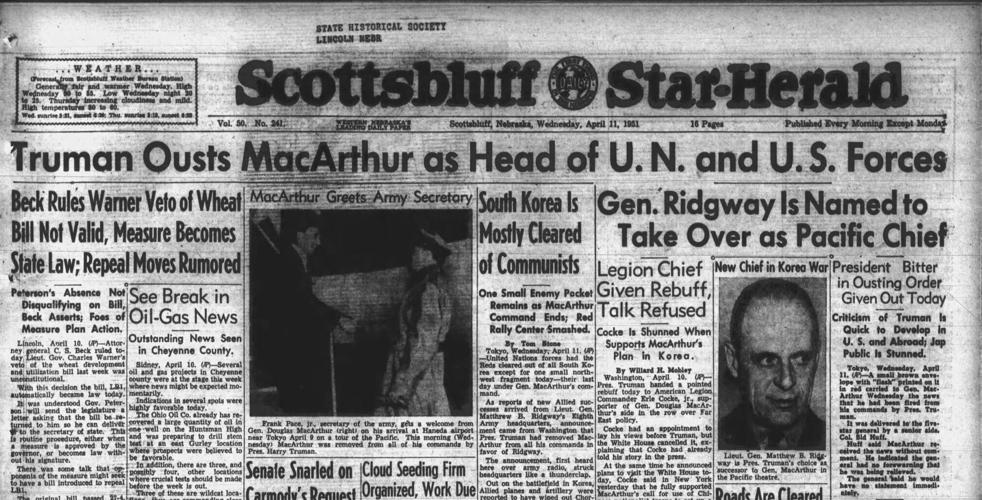
President Harrry S. Truman's firing of Gen. Douglas MacArthur, World War II hero and United Nations Korean War commander, was front-page news across the country on April 11, 1951.

President Harry S. Truman's firing of Gen. Douglas MacArthur, World War II hero and United Nations Korean War commander, was front-page news across the country on April 11, 1951.
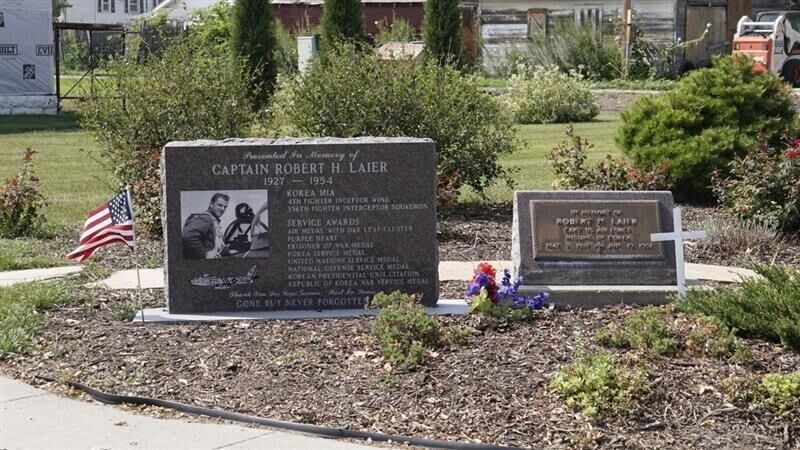
U.S. Air Force Capt. Robert H. Laier of Cozad, shot down on June 19, 1951, was one of four Dawson County service members killed during the 1950-53 Korean War. His body was never found.

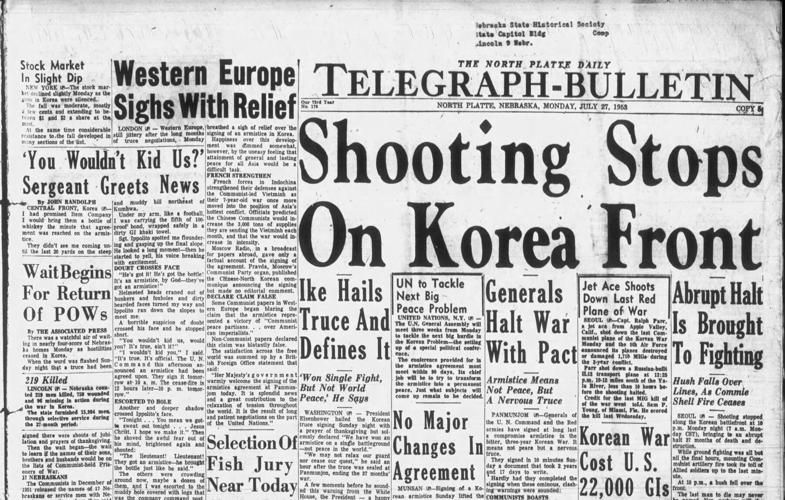
The armistice that ended active fighting in the Korean War led Telegraph-Bulletin editors to break out their large type when it was announced on July 27, 1953. The conflict that started on June 25, 1950, officially continues to this day with the cease-fire still in effect.

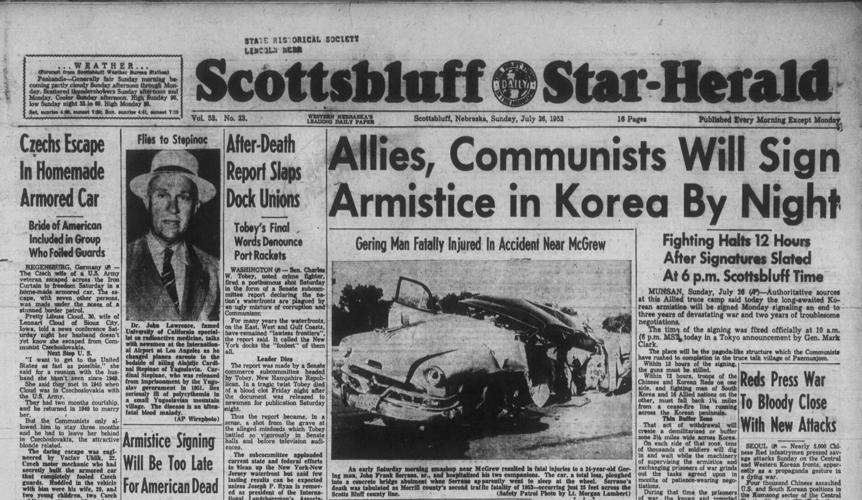
Unlike in 1950, when a Sunday edition of the Scottsbluff Star-Herald could announce the Korean War's outbreak, the newspaper's Tuesday-Sunday print schedule kept them from breaking its official end in its edition of Sunday, July 26, 1953. The armistice was signed the following day — 16 hours ahead of the Panhandle — in the neutral town of Panmunjom.