

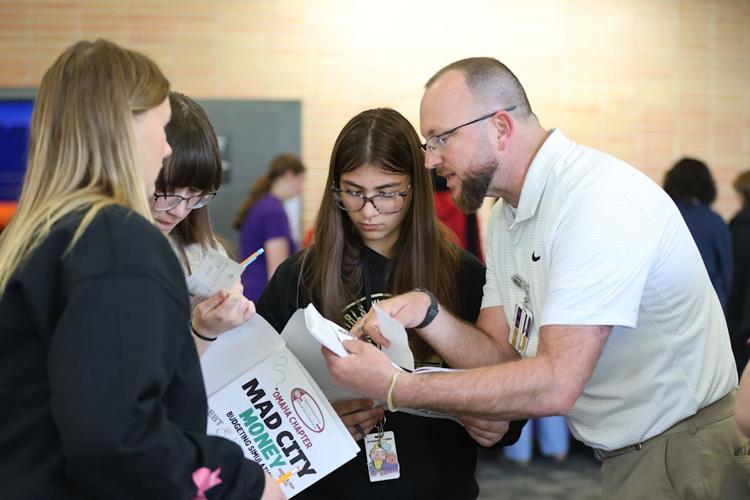
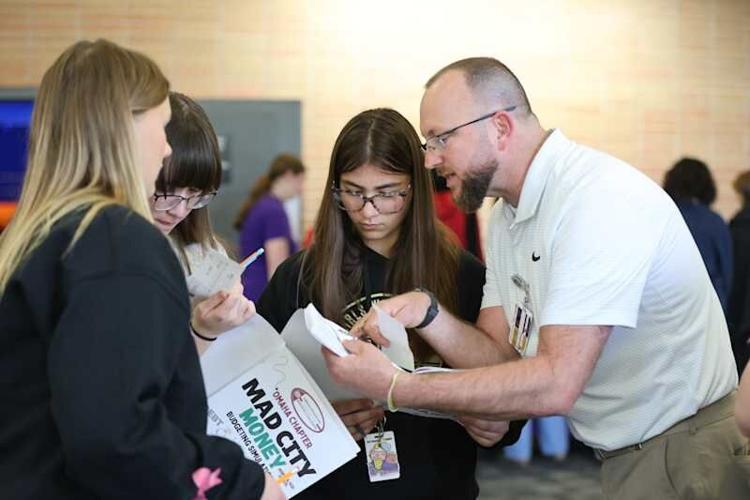
Learning how to balance a budget, navigating unexpected debt, or debating whether to buy a house or to rent can be overwhelming if you’ve never experienced it before. For a group of freshmen at Grand Island Senior High (GISH), those life lessons now seem less daunting after experiencing a real-world simulation.
GISH recently hosted its second annual Mad City Money event, an immersive financial literacy simulation designed to give students a taste of adulting — minus the actual financial risk. Mad City Money is sponsored by First National Bank of Omaha (FNBO), which leads the simulation process, along with other community partners.
The participating students come from GISH’s Next Chapter program, which is a Nebraska college-readiness initiative. Mad City Money challenged about 100 GISH ninth-graders to navigate the complex world of personal finance.
People are also reading…
"It's mostly a life simulation," explained GISH freshman counselor Shaun Willey. "A lot of these young people have not really experienced these things yet."
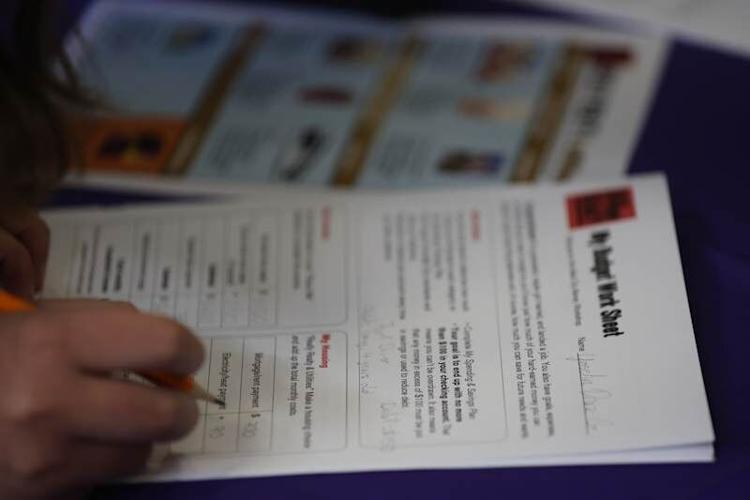
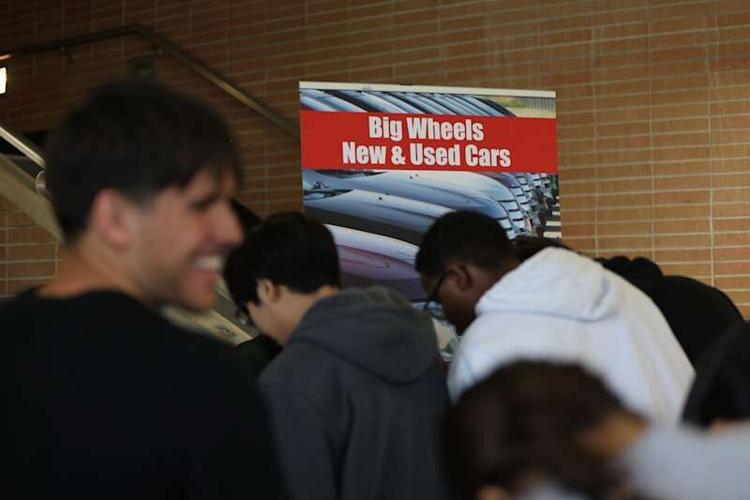
Each student was assigned a profile with a career, salary, student loans, and a family. Students, acting as their given profile, had to navigate a hands-on marketplace to make decisions on housing, transportation, childcare, food and entertainment — all while keeping a balanced budget.
For freshman Ciara Navarrete, the simulation cast her as a cosmetologist married to a police officer. With a four-year-old son to consider and existing debt, she quickly had to adjust her expectations.
"I learned that I can’t just splurge on everything," Navarrete said. "I was going to buy us both a car, but then I realized that would be out of our budget."
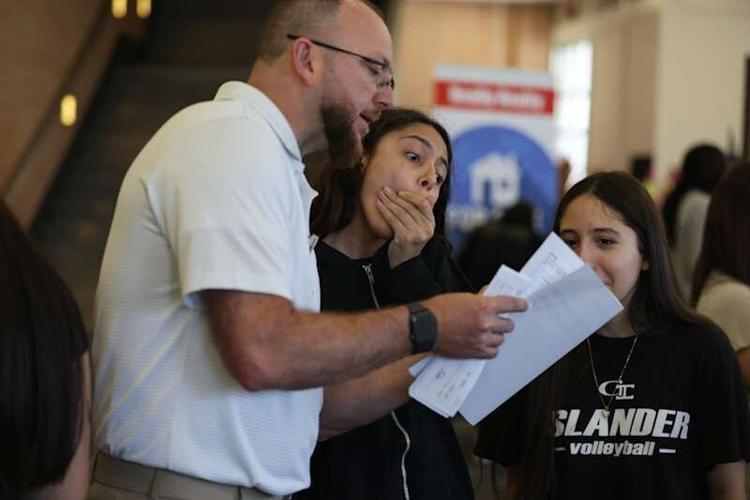
The simulation doesn’t make it easy on the students, thanks to great local partners. The volunteers staffing each booth act just like real-world salespeople, pushing upgrades and luxury items.
Freshman Jakobe Arres, whose profile was a bus driver married to a medical assistant, felt the pressure.
"The people who were working were very pushy — they want you to spend as much money as you can," Arres noted. "It's very hard to try to go against that and try to stay in your budget as best as you can."
At first glance, a combined monthly income of $4,000 to $5,000 seemed like a fortune to the ninth-graders. But that illusion quickly faded.
"At first it seemed like a lot of money," said freshman Nadely Xirum, who navigated the simulation as an entrepreneur married to an artist. "But when you're going around, you realize it's not. You can easily spend and lose a lot of money very quickly. You have to pick what you really need versus what you just want because it looks good."
And like real life, the simulation threw a few curveballs. Just as the students thought they had their budgets under control, they were hit with a classic adult reality check: random "life cards" representing the unpredictable twists and turns of real life.
The students experienced a mix of financial windfalls and adjustments such as car problems, taxes, and fee increases.
Willey said the simulation was an eye-opening experience for many students, which will allow them to make more informed decisions for their future.
“Getting the opportunity to think about and decide, do I rent a house, or do I buy a home? Do I take public transportation? Or do I buy a new car? Should I go to a university or to a community college? All of those things make an impact on your overall well being,” Willey explained.
“This is a safe environment for them to make those mistakes now and to learn from them. Then, they see at the end what they should or should not have done so when it is real life, they’re more prepared,” Willey said.


