LINCOLN — As he drove the final miles toward the thick column of smoke, John Huff, then Lincoln’s assistant fire chief, knew he had been tasked with heading search and rescue efforts at the seat of American national defense.
kAmw6 2?5 9:D A2CE?6C[ z6:E9 w@F76<[ H6C6 G:CEF2==J 2=@?6 @? E96 C@25D DFCC@F?5:?8 E96 !6?E28@?[ E96 72>:=:2C 7:G6\D:565 DECF4EFC6 E92E D@ @7E6? D6CG65 2D 2 E6=6G:D:@? 324<5C@A E@ >:=:E2CJ 24E:@? 23C@25]k^Am
kAm“xE H2D =:<6 2 89@DE E@H?[” wF77 D2:5] “}@ EC277:4 @? E96 q6=EH2J] }@ EC277:4 :? pC=:?8E@?] }@ EC277:4 2?JH96C6]”k^Am
kAm!@=:46 H2G65 E96:C C65 {:?4@=? u:C6 2?5 #6D4F6 G69:4=6 E9C@F89 H:E9@FE 2D<:?8 BF6DE:@?D @C 4964<:?8 E96:C 4C656?E:2=D]k^Am
kAmxE H2D E96 >@C?:?8 @7 $6AE] `a[ a__` — wF77’D cgE9 3:CE952J]k^Am
kAm%96 DF? 3682? E@ C:D6 @G6C E96 4@>A=6I] %96 !6?E28@? H2D 3FC?:?8]k^Am
kAmw6 E9@F89Ei k6>mw@H 5:5 x 6?5 FA 96C6nk^6>mk^Am
kAm%96 2?DH6C DE2CE65 2 564256 62C=:6C[ H:E9 2 =6EE6C 2?5 2 E9C66\C:?8 3:?56C 7F== @7 7656C2= 7@C>D]k^Am
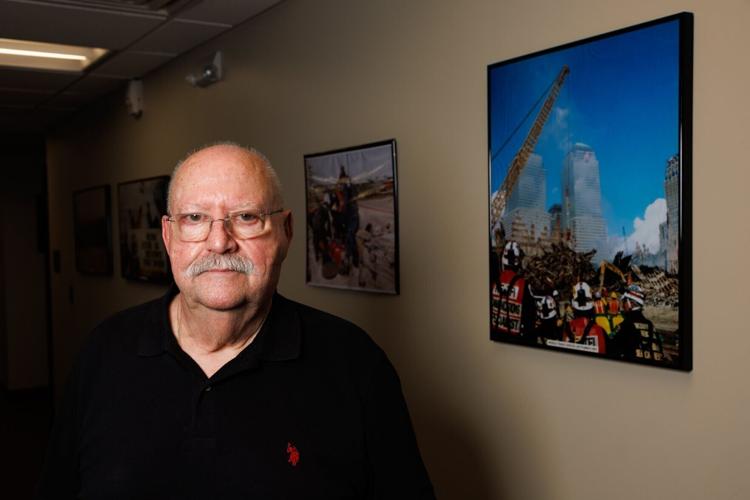
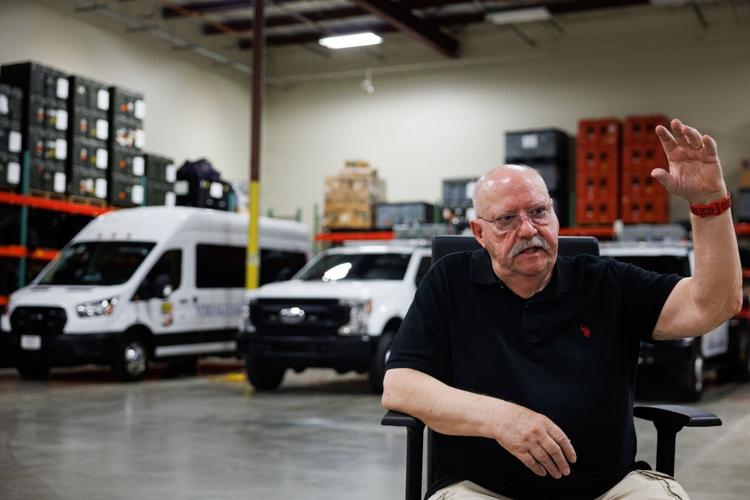
John Huff, a former Lincoln fire chief and one of the officers who created Nebraska Task Force 1 in 1991, stands in the Nebraska Task Force 1 headquarters in Lincoln on Aug. 20. Task Force 1 is one of the nation’s original 25 urban search-and-rescue teams.
NIKOS FRAZIER, THE WORLD-HERALD
kAmx? `hh`[ wF77 96=A65 EFC? 2 8C@FA @7 =@42= 7:C67:89E6CD :?E@ }63C2D<2 %2D< u@C46 `[ @?6 @7 E96 ?2E:@?’D @C:8:?2= ad FC32? D62C49\2?5\C6D4F6 E62>D] w6 96=A65 HC:E6 E96 CF=6D 7@C 9@H E96 ?2E:@?2= ?6EH@C< @7 9:89=J EC2:?65 7:CDE C6DA@?56CD H@F=5 @A6C2E6]k^Am
kAm%96 AC@8C2> H2D 7:CDE 3F:=E 7@C 62CE9BF2<6D 2?5 D2H :ED >:DD:@? 3C@256?65 27E6C E96 `hhd ~<=29@>2 r:EJ 3@>3:?8] %96? 42>6 h^``]k^Am
kAmp 564256 27E6C wF77 7:==65 @FE E92E 2AA=:42E:@? A24<286[ 96 =65 E96 D62C49 2?5 C6D4F6 C6DA@?D6 E@ E96 $6AE] `` 2EE24< @? E96 !6?E28@?] p?@E96C fa >6>36CD @7 9:D E62> 56A=@J65 E@ }6H *@C< D9@CE=J 27E6C E96 (@C=5 %C256 r6?E6C 76==]k^Am
kAm%H6?EJ\7:G6 J62CD =2E6C[ 2D 2 ?2E:@? C6>6>36CD h^``[ wF77 C642==65 9@H }63C2D<2’D :?G@=G6>6?E DE2CE65 H:E9 E92E DE24< @7 7@C>D]k^Am
k9am%96 E9C66\C:?8 3:?56Ck^9am
kAmwF77 925 ?@ 49:=59@@5 5C62> @7 7:C67:89E:?8[ ?@ C@>2?E:4 ?@E:@?D @7 96C@:D>]k^Am
kAm(96? wF77 2AA=:65 E@ {:?4@=? 7:C6[ 96 H2D =@@<:?8 7@C D@>6E9:?8 72C >@C6 @C5:?2CJi 2 DE625J ;@3] w6 DEF>3=65 :?E@ H92E E96 ?@H\C6E:C65 49:67 42==D 2 D2E:D7J:?8 42C66C]k^Am
kAmqJ E96 E:>6 E96 `hh` =6EE6C E92E DA2H?65 %2D< u@C46 ` 2CC:G65 7C@> E96 }63C2D<2 t>6C86?4J |2?286>6?E p86?4J[ wF77 925 H@C<65 9:D H2J FA 7C@> C6DA@?56C E@ 2DD:DE2?E 7:C6 49:67]k^Am
kAm%96 =6EE6C D2:5 E96 u656C2= t>6C86?4J |2?286>6?E p86?4J H2D =@@<:?8 7@C =@42= 7:C67:89E6CD E@ A2CE:4:A2E6 :? 2 ?6H ?2E:@?2= 5:D2DE6C\C6DA@?D6 AC@8C2>]k^Am
kAmp 56G2DE2E:?8 `hgg 62CE9BF2<6 :? pC>6?:2 AC@>AE65 p>6C:42? =6256CD E@ 4@?D:56C H92E H@F=5 92AA6? :7 2 D:>:=2C ?2EFC2= 5:D2DE6C DECF4< E96 &]$] @C :ED E6CC:E@C:6D]k^Am
kAm%96 7656C2= 8@G6C?>6?E 925 6BF:A>6?E 2?5 >@?6J] qFE =@42= 7:C67:89E6CD 925 E96 6IA6CE:D6 E@ D62C49 4@==2AD65 3F:=5:?8D 2?5 C6D4F6 DFCG:G@CD]k^Am
kAm%96?\{:?4@=? u:C6 r9:67 |:<6 |6CH:4< 92?565 E96 =6EE6C E@ wF77 2?5 2D<65 9:> E@ =@@< :?E@ :E]k^Am
kAmq2D:?8 DF49 2 E62> :? }63C2D<2 >256 D6?D6 E@ wF77] }63C2D<2 H2D F?=:<6=J E@ DF776C E92E <:?5 @7 >2;@C 62CE9BF2<6[ 2DDF>:?8 E96 }6H |25C:5 2?5 wF>3@=5E 72F=ED 3692G65] %96 DE2E6’D 46?EC2= =@42E:@? >256 :E 62D:6C E@ D6?5 7:C67:89E6CD H96C6G6C E96J H6C6 ?66565] p?5 E96 AC@8C2> H@F=5 AC@G:56 =@42= 7:C67:89E6CD DA64:2=:K65 EC2:?:?8[ 4C62E:?8 2 C6D4F6 6BF:G2=6?E E@ A@=:46 $(p% E62>D]k^Am
kAm“x 5:5?VE 92G6 2 4=F6 H92E H6 H6C6 86EE:?8 :?E@[” wF77 E@=5 %96 (@C=5\w6C2=5 :? pF8FDE a_ae]k^Am
kAmw6 6>2:=65 E96 56A2CE>6?E[ 2D<:?8 H96E96C 2?J@?6 >:89E H2?E E@ A2CE:4:A2E6]k^Am
kAm“x E9@F89E H6’5 36 =F4<J :7 H6 8@E 2 92?57F=[” 96 D2:5]k^Am
kAmp3@FE h_ 7:C67:89E6CD — 2 E9:C5 @7 E96 4:EJ 56A2CE>6?E 2E E96 E:>6 — G@=F?E66C65]k^Am
kAm“(92E x D2H H2D E96 @AA@CEF?:EJ E@ 8@ 96=A A6@A=6[ 2?5 6G6CJ3@5J E92E C2:D65 E96:C 92?5 324< E96?[ x E9:?<[ 76=E E96 D2>6 H2J[” wF77 D2:5]k^Am
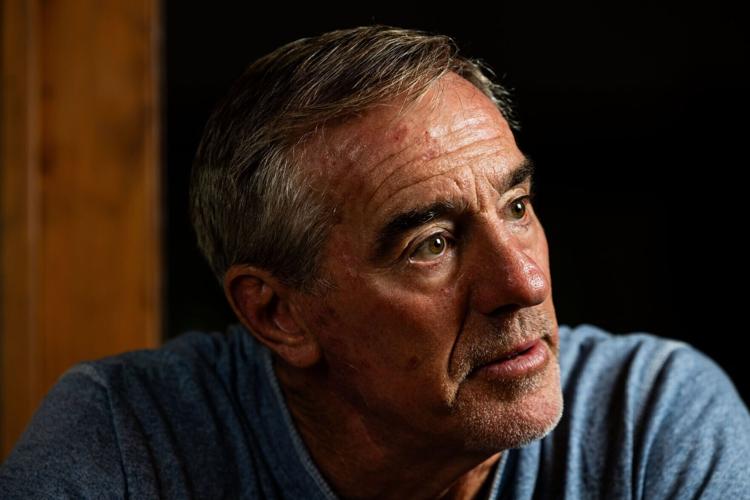
John Huff, former Lincoln fire chief and one of the officers that created Nebraska Task Force 1 in 1991, recalls his experience responding to the Sept. 11, 2001, terrorist attacks.
NIKOS FRAZIER, THE WORLD-HERALD
kAmwF77 2D<65 ut|p 7@C >@C6 :?7@C>2E:@?] ut|p D6?E 324< 2? 2AA=:42E:@? A24<286 =2C86 6?@F89 E@ 7:== 2 E9C66\C:?8 3:?56C] wF77 7:==65 :E @FE]k^Am
kAm“%92E’D 2 =@E @7 H@C<[Q wF77 D2:5] QqFE x H2D 5F>3 6?@F89 E@ 5@ :E]Qk^Am
kAmxE EFC?65 @FE ?@ @E96C |:5H6DE6C? 56A2CE>6?E 2AA=:65[ 96 D2:5]k^Am
kAmq642FD6 >2:= >2C<65 QFC32? D62C49 2?5 C6D4F6Q <6AE =2?5:?8 @? wF77VD 56D<[ 96 BF:4<=J 7@F?5 9:>D6=7 96=A:?8 3F:=5 E96 ?2E:@?2= AC@8C2>]k^Am
kAmut|p 925 ?@ >2?F2= 6IA=2:?:?8 9@H E@ 2DD6>3=6[ 6BF:A 2?5 =625 2 5:D2DE6C\C6DA@?D6 E62>] %96 =6256CD @7 E9@D6 62C=J E2D< 7@C46D 96=A65 HC:E6 :E]k^Am
kAmtG6?EF2==J[ E96J 7@C>65 E9C66 x?4:56?E $FAA@CE %62>D — #65[ (9:E6 2?5 q=F6 — 6249 H:E9 E2D< 7@C46 =6256CD 2?5 6IA6CED 7C@> 2C@F?5 E96 4@F?ECJ] %9@D6 E62>D C@E2E65 @?\D:E6 4@>>2?5 C6DA@?D:3:=:E:6D H96? ut|p 56A=@J65 E96>]k^Am
kAmwF77[ 2 r@C?9FD<6CD 72?[ H2D 2DD:8?65 E@ =625 E96 #65 E62>]k^Am
k9am~<=29@>2 r:EJk^9am
kAmu@C 7@FC J62CD[ }63C2D<2VD E62> EC2:?65 7@C 2 >2;@C 62CE9BF2<6]k^Am
kAm%96?[ @? pAC:= `h[ `hhd[ 5@>6DE:4 E6CC@C:DE %:>@E9J |4'6:89’D 3@>3 E@C6 E9C@F89 E96 p=7C65 !] |FCC29 u656C2= qF:=5:?8 :? ~<=29@>2 r:EJ]k^Am
kAm“(6 ?6G6C[ 6G6C 2?E:4:A2E65 2 3@>3:?8 :? E96 4@?E:?6?E2= &?:E65 $E2E6D[” wF77 D2:5] “xE H2D ?@E @? 2?J3@5J’D C252C :? @FC C6DA@?5:?8 H@C=5]”k^Am
kAmut|p 5:5 ?@E 56A=@J }63C2D<2VD E2D< 7@C46 E@ ~<=29@>2 r:EJ[ 3FE wF77 9:>D6=7 H6?E E@ =625 E96 x?4:56?E $FAA@CE %62>]k^Am
kAm%96 4@==2AD6 =@@<65 5:776C6?E E92? E96 62CE9BF2<6 D46?2C:@D 7@C H9:49 E96 E62>D 925 EC2:?65] t2CE9BF2<6 4@==2AD6D @7E6? =62G6 A@4<6ED @7 DA246 H96C6 A6@A=6 2C6 EC2AA65 2=:G6] %96 |FCC29 qF:=5:?8 925 A2?42<65 @? :ED6=7[ =62G:?8 72C 76H6C DFCG:G23=6 DA246D]k^Am
kAmu@C E96 7:CDE E:>6[ E96 E62> H@C<65 :?D:56 2? 24E:G6 4C:>6 D46?6[ H9:49 C6BF:C65 25565 42C6 E@ AC6D6CG6 6G:56?46]k^Am
kAm{2H 6?7@C46>6?E @77:46CD 4@>365 E9C@F89 E96 CF33=6 =@@<:?8 7@C 4=F6D] %96J FD65 2 D4C66? >256 7C@> 2 EH@\3J\7@FC 7C2>6 2?5 BF2CE6C\:?49 H:C6[ D92<:?8 563C:D E9C@F89 :E =:<6 2 7=@FC D:7E6C]k^Am
kAm“q6=:6G6 :E @C ?@E[ E96J’5 7:?5 ]]] E9:?8D E92E 42? 96=A E96> :56?E:7J H9@ 5:5 :E 2?5[ F=E:>2E6=J[ H9J E96J 5:5 :E[” wF77 D2:5] “%92E H2D 2=H2JD E96 3:8 BF6DE:@?]”k^Am
kAmqFE 7@C E96 E2D< 7@C46[ 6G:56?46 AC6D6CG2E:@? H2D D64@?52CJ E@ D2G:?8 =:G6D]k^Am
kAm“~<=29@>2 r:EJ @A6?65 @FC 6J6D[” wF77 D2:5] “}@H 2== @7 2 DF556?[ :EVD ?@E ;FDE 62CE9BF2<6D]”k^Am
k9amVtG6CJ3@5J H2D :? D9@4<Vk^9am
kAmwF77 H2D :? 2 4@>>2?5 DE277 >66E:?8 2E {:?4@=? u:C6 2?5 #6D4F6 $E2E:@? `c :? E96 w:89=2?5D ?6:893@C9@@5 @? E96 >@C?:?8 @7 $6AE] ``[ a__`[ H96? 2 J@F?8 7:C67:89E6C 6?E6C65 E96 C@@>]k^Am
kAmp A=2?6 925 4C2D965 :?E@ E96 (@C=5 %C256 r6?E6C[ E96 7:C67:89E6C D2:5] %FC? @? E96 %'] k^Am
kAm%96 7:CDE :>286 wF77 D2H H2D @7 E96 !6?E28@?[ H9:49 2 A=2?6 925 2=D@ ;FDE DECF4<]k^Am
kAm“$@>6E9:?8VD 8@:?8 @?[” wF77 C6>6>36C65 E9:?<:?8] “%H@ A=2?6D[ EH@ =@42E:@?D[ D@>6E9:?8VD 8@:?8 @?]”k^Am
kAm%96? 9:D ut|p A286C H6?E @77] %96 >6DD286 D2:5 9:D E62> H2D 24E:G2E65 7@C E96 !6?E28@? 2?5 :?4=F565 2 =:?6 96’5 ?6G6C D66? 367@C6i s@ ?@E 42== 324<]k^Am
kAmwF77 42==65 324<] w6 E@=5 E96 7656C2= AC@8C2> @77:46 96 H2D 3C:?8:?8 w@F76<[ 2 E2D< 7@C46 >6>36C 2?5 4@>>F?:42E:@?D DA64:2=:DE] wF77 8@E 2 E6CD6 24<?@H=658>6?E 367@C6 E96 =:?6 H6?E 5625]k^Am
kAmw6 42==65 9:D H:76 E@ D2J 96 H2D 8@:?8[ 6DE:>2E:?8 96’5 36 8@?6 7@C 2 76H 52JD[ 32D65 @? E96 52>286 96 925 D66? @? %']k^Am
kAmw6 2?5 w@F76< H6C6 @? E96:C H2J E@ pC=:?8E@?[ ':C8:?:2[ 3J `` 2]>] %96J 5C@G6 4C@DD\4@F?ECJ[ E2<:?8 EFC?D 2E E96 H966= 7@C C@F89=J a_ 9@FCD DEC2:89E]k^Am
kAmwF77 2?5 w@F76< 2AAC@24965 E96 !6?E28@? 2C@F?5 e 2]>] @? $6AE] `a] %96J D2H E96 D>@<6[ 3FE H92E DECF4< wF77 H2D H92E 96 5:5?’E D66 :? 2 4:EJ <?@H? 7@C EC277:4i A6@A=6[ 42CD[ 2?J D:8? @7 =:76 36J@?5 E96 @442D:@?2= A@=:46 @77:46C]k^Am
kAm%96? E96J C624965 E96 !6?E28@?[ 2?5 ?@ @?6 DE@AA65 E96>]k^Am
kAm“tG6CJ3@5J H2D :? D9@4< ]]][” wF77 D2:5] “x 5C@G6 E@ H:E9:? `__ 766E @7 E96 !6?E28@? :? 2 7:C6 42C 7C@> {:?4@=?[ }63C2D<2[ H:E9@FE 36:?8 492==6?865 3J 2?J3@5J]”k^Am
k9amV!=2?6D 2C6 72==:?8 7C@> E96 D<JVk^9am
kAmwF?5C65D @7 G69:4=6D H6C6 2CC:G:?8 2E E96 D2>6 E:>6] u:C67:89E6CD 925 366? 32EE=:?8 E96 3=2K6 7@C ?62C=J ac 9@FCD]k^Am
kAmwF77 @A6?65 E96 G69:4=6 5@@C E@ E96 D@F?5 @7 AF>A6CD[ A6@A=6 D9@FE:?8 2?5 7:C67:89E6CD 5C288:?8 6BF:A>6?E 2?5 563C:D] rC6HD H6C6 DE:== 25G2?4:?8 9@D6 =:?6D 2?5 AFEE:?8 @FE DA@E 7:C6D]k^Am
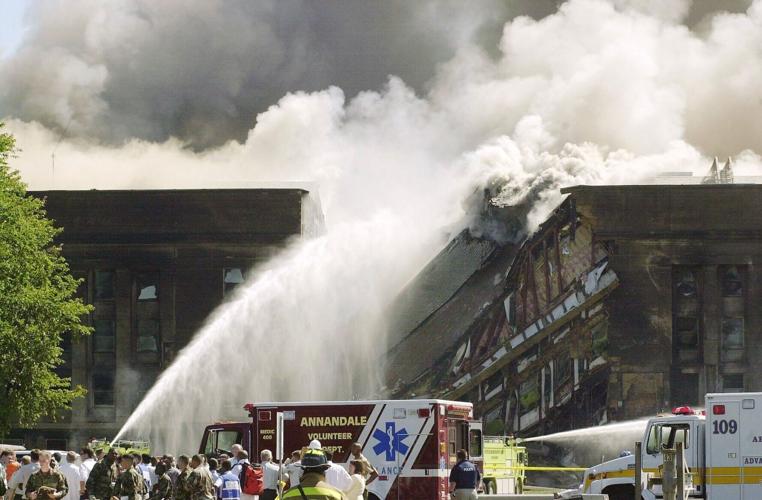
Firefighters struggle to contain the fire after the hijacked American Airlines Flight 77, a Boeing 757-200 crashed into the Pentagon on Sept. 11, 2001. The Pentagon attack followed a similar attack, two hijacked passenger planes flown into the twin towers of the New York World Trade Center, on the same day, in what has been called the worst terrorist attack in history.
TSGT JIM VARHEGYI, USAF
kAmw6 BF:4<=J C62=:K65 D64FC:?8 E96 3F:=5:?8 H@F=5 E2<6 =@?86C E92? 6IA64E65] %96 56DECF4E:@? H2D >F49 =2C86C 2?5 >@C6 4@>A=6I E92? E96 “=:EE=6 82D9” 96 2?5 E96 C6DE @7 E96 4@F?ECJ D2H @? ?2E:@?2= 3C@2542DED]k^Am
kAm%96 !6?E28@? :D 6?@C>@FDi 7:G6 D:56D @7 ?62C=J `[___ 766E 6249[ e]d >:==:@? DBF2C6 766E @7 7=@@C DA246 2?5 `f]d >:=6D @7 4@CC:5@CD]k^Am
kAmxE 9:5 E96 D42=6 @7 E96 C@F89=J 7@@E32== 7:6=5\D:K65 52>286[ H9:49 E@F4965 2== 7:G6 DE@C:6D @7 E96 H6DE6C? H6586 2?5 DEC6E4965 >@C6 E92? c__ 766E H:56 H:E9 2 ac_\7@@E 566A 4@==2AD6 K@?6[ wF77 D2:5]k^Am
kAm“s:5?VE C62=:K6 E92E E92E =:EE=6 82D9 H2D 23@FE E96 D:K6 @7 E96 |FCC29 qF:=5:?8 :? ~<=29@>2 r:EJ[” wF77 E@=5 %96 (@C=5\w6C2=5]k^Am
kAmw6 4@F=5 D66 H96C6 E96 q@6:?8 fdf 925 9:E E96 8C@F?5 ;FDE 367@C6 E96 H2==[ 8@F8:?8 E96 8C2DD 2?5 <?@4<:?8 5@H? =:89E A@=6D :? :ED A2E9] xE A=@H65 :?E@ E96 3F:=5:?8[ 56DEC@J:?8 4@=F>?D 2?5 362>D 2?5 EC:886C:?8 2 4@==2AD6 E92E 6IA2?565 2D 7:C6 2?5 52>286 H62<6?65 C6>2:?:?8 DFAA@CED]k^Am
kAm%96 D62C49 2?5 C6D4F6 E62>D wF77 H@F=5 =625 2CC:G65 7C@> ?62C3J u2:C72I[ ':C8:?:2[ 2?5 ':C8:?:2 q6249] wF77 D2:5 7@FC 7:C67:89E6CD 5C@G6 FA 7C@> |:2>: H:E9 =:89ED 2?5 D:C6?D @? E96 H9@=6 H2J]k^Am
kAm“x F?56CDE2?5 :E D4C6H65 FA |:2>:VD 7:C6 DE2E:DE:4D E92E J62C 3642FD6 E96J 925 2 `_\ @C `a\9@FC C6DA@?D6 E:>6 7@C 2? 6>6C86?4J[” 96 ;@<65]k^Am
kAmp3@FE 2? 9@FC 27E6C wF77 2CC:G65[ 96 2?5 9:D E62>D 6?E6C65 E96 3F:=5:?8 E9C@F89 2? :?E24E A@CE:@? 2?5 DE2CE65 E@H2C5 E96 4@==2AD6 K@?6]k^Am
kAmx?D:56[ E96J H2565 E9C@F89 e :?496D @7 DE2?5:?8 H2E6C 7C@> E96 7:C67:89E[ DE:==\D>@=56C:?8 563C:D 2?5 G:4E:>D’ C6>2:?D H96C6 E96J 925 72==6?]k^Am
kAm“%96C6 H2D K6C@ D64FC:EJ — 2?5 xV> ?@E 36:?8 4C:E:42=[” wF77 D2:5] “xV> ;FDE D2J:?8 E96C6 H2D ?@3@5J E96C6 E@ DE@A FD] %96C6 H2D ;FDE ?@3@5J E96C6] %96J H6C6 8@?6] tG6CJ3@5J 6G24F2E65] %96J H6C6 E@=5 E@ 86E @FE @7 96C6] !=2?6D 2C6 72==:?8 7C@> E96 D<J] v6E @FE @7 E96 7656C2= 3F:=5:?8 :7 J@FVC6 :? @?6]”k^Am
kAmw6 D2:5 E96 7656C2= 8@G6C?>6?E BF:4<=J E:89E6?65 D64FC:EJ @G6C E96 ?6IE ac 9@FCD[ A@DE:?8 2C>65 8F2C5D E9C@F89@FE E96 AC6>:D6D[ C6BF:C:?8 xs 2?5 3=@4<:?8 AF3=:4 2446DD H:E9 2 e\7@@E\E2== 492:?\=:?< 76?46]k^Am
kAmwF77 >6E 6G6CJ D:I 9@FCD H:E9 E96 D:E6VD :?4:56?E 4@>>2?5 E62>[ :?4=F5:?8 pC=:?8E@? r@F?EJ pDD:DE2?E u:C6 r9:67 y:> $49H2CEK[ uqx C6AC6D6?E2E:G6D 2?5 2 E9C66\DE2C 86?6C2=]k^Am
John Huff, former Lincoln fire chief and one of the officers who created Nebraska Task Force 1 in 1991, said the funding for Task Force 1 became easier to justify after 9/11.
NIKOS FRAZIER, THE WORLD-HERALD
kAm%96J 925 E@ D64FC6 E96 3F:=5:?8 6?@F89 7@C A6@A=6 E@ C6EFC? E@ H@C< E96 ?6IE 52J]k^Am
kAm“t2C=J @?[ E96 … >:=:E2CJ 564:565 E96J H6C6 8@:?8 E@ 36 4=@D65 @?6 52J[” wF77 D2:5] “%92E H2D E96 `aE9 @7 $6AE6>36C — E96 @?=J 52J E96 !6?E28@? 92D 6G6C 4=@D65]”k^Am
kAm%96 86?6C2= @? E96 E62> AFE D@=5:6CD 2C@F?5 E96 A6C:>6E6C @7 E96 4@==2AD6 K@?6 E@ <66A !6?E28@? 6>A=@J66D 7C@> H2?56C:?8 :?E@ 52?86C]k^Am
kAm#6D4F6 E62>D 3682? C63F:=5:?8 E96 52>2865 A@CE:@? @7 E96 DECF4EFC6 7C@> E96 :?D:56 @FE]k^Am
kAm(96C6 p>6C:42? p:C=:?6D u=:89E ff[ D4965F=65 E@ 7=J 7C@> ':C8:?:2 E@ {@D p?86=6D[ 925 56DEC@J65 7=@@C\DFAA@CE:?8 4@=F>?D[ 4C6HD 3F:=E 962GJ\E:>36C 3@I6D 2C@F?5 6249 @?6[ FD:?8 E9@FD2?5D @7 g\3J\g 362>D 4FE 2?5 H65865 E:89E=J E@ <66A E96 3F:=5:?8 7C@> 4@==2AD:?8 @? C6DA@?56CD 36=@H]k^Am
kAm%96 :>A24E 925 42CC:65 E96 2:C4C27E 566A :?E@ E96 DECF4EFC6] pE @?6 :??6C C:?8[ E96 A=2?6VD ?@D6 AF?4965 E9C@F89 E96 H2==[ =62G:?8 2? @A6?:?8 E92E C6DA@?56CD =2E6C FD65 2D 2? 2446DD A@:?E] }62C E92E DA@E[ E96J C64@G6C65 E96 A=2?6’D ?@D6 862C 2?5 3=24< 3@I]k^Am
kAmtG6CJ =@25 @7 563C:D H2D 92F=65 E@ E96 !6?E28@?’D ?@CE9 A2C<:?8 =@E[ H96C6 :?G6DE:82E@CD D:7E65 7@C 6G:56?46]k^Am
kAmwF77 D2:5 9:D E62>D 7@F?5 ?@ DFCG:G@CD H9:=6 96 H2D E96C6[ 3FE 2D E96J >@G65 563C:D 2?5 5F8 566A6C[ E96J 7@F?5 A6@A=6 @C A:646D @7 A6@A=6 H9@ 925 EC:65 E@ E2<6 D96=E6C]k^Am
kAm(96? E96 E62>D 7@F?5 G:4E:>DV C6>2:?D[ 6G6CJ3@5J :? E96 2C62 DE@AA65 H92E E96J H6C6 5@:?8[ 2?5 2 >:=:E2CJ 9@?@C 8F2C5 C6>@G65 E96> 367@C6 H@C< 4@?E:?F65] %92E H2D E96 4256?46 @7 E96 !6?E28@? C6DA@?D6 5FC:?8 wF77’D EH@ H66<D E96C6]k^Am
kAmrFE =F>36C] $E23:=:K6] |@G6 563C:D] $62C49] $E@A 7@C C6>@G2= @7 9F>2? C6>2:?D] #6A62E]k^Am
kAm“xE 364@>6D … <:?5 @7 =:<6 2 32EE=6 C9JE9>[” wF77 D2:5]k^Am
kAmqJ E96 E:>6 wF77 C6EFC?65 E@ {:?4@=?[ @E96C >6>36CD @7 %2D< u@C46 ` H6C6 AC6A2C:?8 E@ 56A=@J E@ E96 (@C=5 %C256 r6?E6C[ {:?4@=?’D 7:C6 49:67 H:E9 E96>]k^Am
kAmwF77 F?A24<65 9:D 328D[ E@@< 2 D9@H6C 2?5 H6?E E@ 365] %96 ?6IE >@C?:?8[ 96 H2D 324< 2E H@C<[ CF??:?8 {:?4@=? u:C6 2?5 #6D4F6 H9:=6 fa @7 9:D E2D< 7@C46 E62>>2E6D 56A=@J65 E@ |2?92EE2?]k^Am
k9am%2D< u@C46 `k^9am
kAm{:<6 wF77[ E96?\E2D< 7@C46 D276EJ @77:46C !2E q@C6C 925?VE 8C@H? FA 5C62>:?8 @7 364@>:?8 2 7:C67:89E6C] w6 H2D 2 9:89 D49@@= A9JD:42= 65F42E:@? E62496C 2?5 7@@E32== 4@249 H96? 96 564:565 96 H2?E65 2 5:776C6?E H2J E@ D6CG6 9:D 4@>>F?:EJ] w6 H2D @?6 @7 E96 @C:8:?2= h_ {:?4@=? 7:C67:89E6CD H9@ G@=F?E66C65 7@C E96 ?6H E2D< 7@C46 :? `hh`]k^Am
kAmq@C6C D2:5 96 DE2CE65 2D @?6 @7 E96 8CF?E H@C<6CD H9@ 6?E6C65 2 52>2865 3F:=5:?8 7:CDE E@ D64FC6 :E 7@C E96 C6DE @7 E96 E62> — 2 A@D:E:@? =@G:?8=J <?@H? :? E96 E2D< 7@C46 2D 2 “C@4< 3C62<6C]” wF77 =2E6C C64CF:E65 9:> 2D 2 D276EJ @77:46C]k^Am
kAmq@C6C H2=<65 :?E@ {:?4@=? u:C6 2?5 #6D4F6 $E2E:@? a ?62C E96 &?:G6CD:EJ @7 }63C2D<2\{:?4@=?’D t2DE r2>AFD @? $6AE] ``[ a__`[ 2?5 7@F?5 E96 <:E496? H2D 6>AEJ] %92E H2D F?FDF2=] xE H2D ?@C>2==J 2 9F3 H96C6 E96 E62> 82E96C65]k^Am
kAmq@C6C 4@?E:?F65 E9C@F89 E96 <:E496? :?E@ E96 52JC@@>] tG6CJ@?6 H2D H2E49:?8 E6=6G:D:@?] w6 =@@<65 2E E96 %' 2?5 D2H 2 A=2?6 9:E E96 D64@?5 %C256 r6?E6C E@H6C]k^Am
kAmu@C 2 >@>6?E[ 96 E9@F89E :E 4@F=5?’E 36 C62=] qFE 2D E96 ?6HD 4@G6C286 4@?E:?F65[ E96 C62=:EJ D6E :?] xE H2D 2? 2EE24<]k^Am
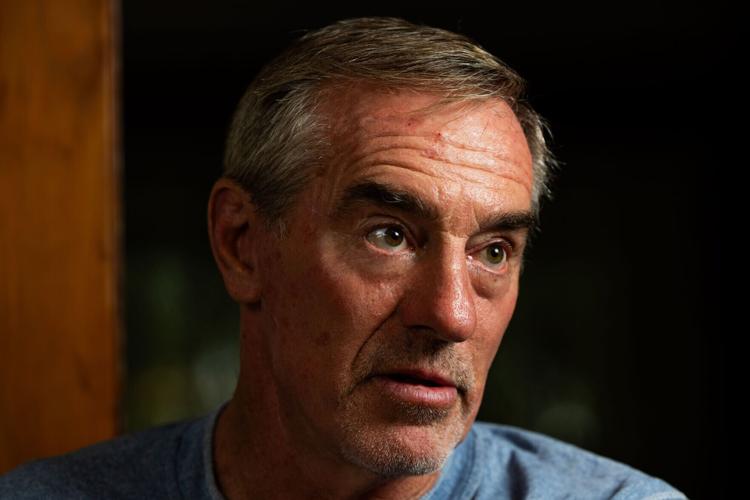
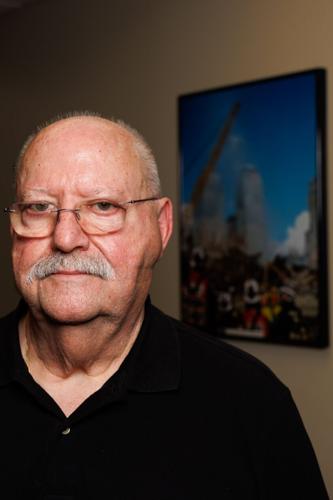
Pat Borer talks about being deployed with Nebraska Task Force One to the World Trade Center soon after 9/11 during an interview at his home in Lincoln on Aug. 25. Recalling the scene, Borer said, “The collapse was so catastrophic that it just crushed everything."
CHRIS MACHIAN, THE WORLD-HERALD
kAm%96 E2D< 7@C46 7:C67:89E6CD H2:E65 7@C E96 42==]k^Am
kAmu@C ?62C=J EH@ H66<D[ q@C6C >6?E2==J AC6A2C65] w6 E9@F89E 23@FE H92E 92K2C5D 9:D C6DA@?56CD H@F=5 7246[ H92E 496>:42=D H@F=5 92G6 366? :? E96 4@==2AD65 3F:=5:?8D 2?5 9@H E@ AC@E64E 9:D E62>]k^Am
kAm%96 fa\A6CD@? E62> @7 }63C2D<2 7:C67:89E6CD[ 6?8:?66CD[ 5@4E@CD 2?5 6IA6CED 7=6H @? 2 >:=:E2CJ 2:C4C27E E@ }6H y6CD6J :? >:5\$6AE6>36C] uC@> E96C6[ E96J A:=65 :?E@ 2 3FD E92E 5C@G6 E96> E@ |2?92EE2?]k^Am
kAmq@C6C H2D DEF??65 3J E96 D64FC:EJ :? }6H *@C<] pC>65 >:=:E2CJ 2?5 =2H 6?7@C46>6?E @77:4:2=D =:?65 E96 DEC66ED 2?5 D:56H2=<D DFCC@F?5:?8 E96 y2G:ED r6?E6C — E96 4@?G6?E:@? 46?E6C H96C6 E96 FC32? D62C49 2?5 C6D4F6 E62>D 2?5 D@>6 ut|p =6256CD9:A H6C6 DE2J:?8] %H@ 4964<A@:?E A6C:>6E6CD DFCC@F?565 E96 46?E6C]k^Am
kAmq@C6C 5:5?’E F?56CDE2?5 E96 C62D@? 7@C D@ >F49 D64FC:EJ F?E:= :E 52H?65 @? 9:>i %96J H6C6 AC6A2C:?8 7@C 2?@E96C 2EE24<]k^Am
kAmpD E92E F?56CDE2?5:?8 D2?< :?[ 96 E9@F89Ei k6>m(92E 92D @FC H@C=5 4@>6 E@nk^6>mk^Am
kAm%96 y2G:ED r6?E6C 925 364@>6 2 E6>A@C2CJ 9@>6 7@C E62>D 7C@> 24C@DD E96 4@F?ECJ] q2==C@@>D 2?5 4@?76C6?46 C@@>D 7:==65 H:E9 4@ED] %96 H:?5@HD H6C6 3=24<65 @FE D@ ?:89E\D9:7E C6DA@?56CD 4@F=5 D=66A 5FC:?8 E96 52J]k^Am
kAm}63C2D<2’D E2D< 7@C46 H2D 2DD:8?65 E@ H@C< H:E9 E96 C6>2:?:?8 >6>36CD @7 E96 }6H *@C< r:EJ u:C6 s6A2CE>6?E’D 962GJ C6D4F6 E62>D[ DA=:EE:?8 :?E@ EH@ 8C@FAD E92E 96=A65 :? 5:776C6?E 2C62D @7 E96 4:EJ] q@C6C’D 92=7 @7 E96 E62> EC2G6=65 E9C@F89 E96 4:EJ H:E9 us}*[ 2DD6DD:?8 9:89\C:D< =@42E:@?D 2?5 A@E6?E:2= E2C86ED @7 7FCE96C 2EE24<]k^Am
kAm“%96:C A6@A=6 H@F=5 <:?5 @7 3C:67 FD[ 2?5 … H6 H6C6 32D:42==J H2:E:?8 7@C 2 42==[ W7@CX 2? 6G6?E E92E 92AA6?65 :? E96 4:EJ @FED:56 @7 vC@F?5 +6C@[” q@C6C D2:5]k^Am
kAm%96 {:?4@=? 7:C67:89E6CD H6C6 2=D@ AC6A2C:?8 E@ DFAA=6>6?E us}* 7@C C@FE:?6 6>6C86?4:6D] us}* =@DE bcb C6DA@?56CD H96? E96 %H:? %@H6CD 4@==2AD65]k^Am
kAmsFC:?8 E92E DEC6E49[ q@C6C’D 8C@FA @7 }63C2D<2 7:C67:89E6CD ?6G6C 8@E D6?E E@ 2 42== @C 2?@E96C 2EE24<] qFE 2D E96J 5C@G6 3J :? us}* G69:4=6D[ A6@A=6 @? E96 DEC66ED 4966C65]k^Am
k9am&?A:=6 E96 A:=6k^9am
kAmp3@FE 92=7H2J E9C@F89 E96 56A=@J>6?E[ q@C6C’D 92=7 @7 }63C2D<2’D E2D< 7@C46 H2D D6?E E@ vC@F?5 +6C@ E@ “F?A:=6 E96 A:=6” — D62C49 7@C DFCG:G@CD 2?5 G:4E:>D 2?5 D:7E E9C@F89 563C:D]k^Am
kAmsFC:?8 E92E 7:CDE a_\>:?FE6 3FD C:56 7C@> E96 y2G:ED r6?E6C E@ E96 %C256 r6?E6C D:E6[ q@C6C =@@<65 FA 2E E96 E2==6DE 3F:=5:?8D 96’5 6G6C D66?] w6’5 ?6G6C 366? E@ |2?92EE2?]k^Am
kAmpD E96 3FD ?62C65 E96 72==6? E@H6CD[ E96 52>286 42>6 :?E@ G:6H]k^Am
kAmwF86 A:646D @7 DE66= ;FEE65 7C@> E96 DFCC@F?5:?8 3F:=5:?8D[ C6>?2?ED @7 E96 E@H6CD E92E 3C@<6 =@@D6 :? E96 4@==2AD6] %@ q@C6C[ E96 >6E2= =@@<65 2=>@DE =:<6 8:2?E DA=:?E6CD 5C:G6? :?E@ E96 DECF4EFC6D 2C@F?5 E96 A:=6]k^Am
kAm%96 56DECF4E:@? 925 DAC625 72C 36J@?5 E96 E@H6CD E96>D6=G6D[ D@ H:56 E92E 2D q@C6C DE@@5 :? E96 4@==2AD6 K@?6[ :E H2D 2== 96 4@F=5 D66] tG6CJ 3F:=5:?8 2C@F?5 9:> H2D 52>2865]k^Am
kAmp== q@C6C 925 E@ 4@>A2C6 :E E@ H6C6 A9@E@D @7 3@>365\@FE tFC@A6 7C@> 9:DE@CJ 3@@<D 96’5 C625 :? D49@@=] w6 H2D DE2?5:?8 :? 2 H2CK@?6]k^Am
kAmu:C6ECF4<D H6C6 DE:== 92=7\3FC:65 :? E96 CF33=6] $>@<6 DE:== 3:==@H65 7C@> D6G6C2= A=246D :? E96 A:=6[ 36?5:?8 H:E9 E96 3C66K6] }@ @?6 C62==J <?6H H92E H2D 3FC?:?8]k^Am
kAm%96 8C@FA’D C@4< 3C62<6CD EC2G6=65 FA `__\J2C5 >2<6D9:7E H2=<H2JD @7 H@@5 2?5 >6E2= 7C@> E96 DEC66E E@ E96 6586 @7 E96 A:=6] uC@> E96C6[ E96J FD65 =2556CD E@ 4=:>3 5@H? :?E@ E96 563C:D]k^Am
kAm“(6 H6C6 H@C<:?8 … @FC H2J 5@H? E@ E96 3@EE@> E@ ECJ E@ 7:?5 A6@A=6[” q@C6C D2:5]k^Am
kAm%96J H6C6 DE:== :? C6D4F6 >@56 — DE:== D62C49:?8 7@C DFCG:G@CD] qFE E96J <?6H E96 @55D H6C6 D=:>]k^Am
kAm“*@F C64@8?:K6 E92E 2D E:>6 8@6D @?[ :EVD =6DD =:<6=J E92E J@FVC6 8@:?8 E@ 7:?5 2?J@?6 ]]] 2=:G6[” q@C6C D2:5] “p?5 D@[ D:?46 H6 H6C6?VE E96C6 :>>65:2E6=J[ x E9:?< H6 925 2 D6?D6 E92E :7 H6 24EF2==J 7:?5 D@>6@?6 2=:G6[ :EVD 8@:?8 E@ 36 2 >:C24=6]”k^Am
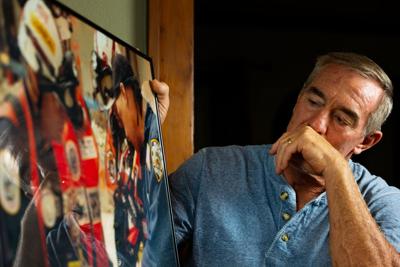
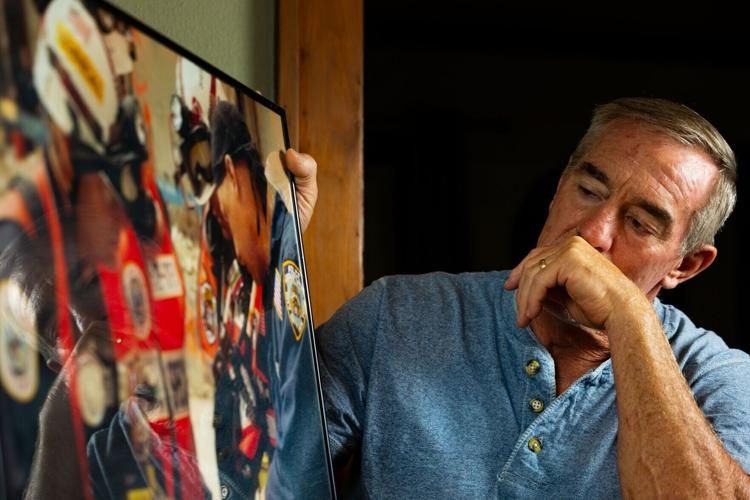
Pat Borer looks at a photo from when he was deployed with Nebraska Task Force 1 to the World Trade Center soon after 9/11. Borer was interviewed at his Lincoln home last month.
CHRIS MACHIAN, THE WORLD-HERALD
kAmqFE q@C6C D2:5 E96J C62=:K65 :E H2D ;FDE 2D :>A@CE2?E E@ 7:?5 E96 5625[ 7@C 4:G:=:2?D H9@ =@DE =@G65 @?6D 2?5 7@C 7:CDE C6DA@?56CD H9@ =@DE E96:C @H?]k^Am
kAmx7 2?J@?6 7@F?5 C6>2:?D @7 2 7:C67:89E6C[ E96J H6C6 E@=5 E@ ?@E:7J us}*] %96 56A2CE>6?E H2?E65 E@ 92?5=6 E96 C64@G6CJ @7 :ED @H? A6@A=6]k^Am
kAmpE @?6 A@:?E[ H9:=6 q@C6C @G6CD2H 9:D E62> :? E96 A:=6[ 96 E9@F89E 96 42F89E 2 8=:>AD6 @7 J6==@H >2C<:?8D 7C@> 2 7:C6 4@2E] w6 A@:?E65 :E @FE E@ 2 E2D< 7@C46 >6>36C]k^Am
kAm“w6 =@@<65 2E >6[” q@C6C D2:5] “(6 3@E9 E9@F89E @7 E96 D2>6 E9:?8[ 2?5 96 H6?E @G6C 2?5 4964<65 :E[ 2?5 :E H2D?VE] %92?< v@5[ :E H2D?VE] x >62? … :E H@F=5 92G6 366? 8@@5 E@ 7:?5 D@>63@5J] qFE 2E E96 D2>6 E:>6[ J@F 5:5?VE H2?E E@]”k^Am
kAm':CEF2==J ?@E9:?8 :? E96 A:=6 C6>2:?65 2 C64@8?:K23=6 @3;64E[ q@C6C D2:5] u:?5:?8 2 A:646 @7 2 7:C6 4@2E H@F=5 92G6 366? 2? 2?@>2=J]k^Am
kAm“%96 4@==2AD6 H2D D@ 42E2DEC@A9:4 E92E :E ;FDE 4CFD965 6G6CJE9:?8[” q@C6C D2:5]k^Am
kAm%96 }63C2D<2 C6DA@?56CD ?6G6C 7@F?5 2?J@?6 2=:G6 @C 5625 — ?@E E92E q@C6C <?6H @7] p7E6C 96 C6EFC?65 9@>6[ q@C6C =62C?65 E96 CF33=6 9:D 4C6H C6>@G65 H2D E6DE65 7@C s}p E@ D66 H96E96C :E 4@?E2:?65 9F>2? C6>2:?D]k^Am
kAm%96 7:C6[ D>@<6 2?5 7=2EE6?:?8 4@==2AD6 925 =67E 6G6CJE9:?8 D@ F?C64@8?:K23=6 E92E q@C6C C62=:K65 E96J >:89E 92G6 92?5=65 G:4E:>D’ C6>2:?D H:E9@FE <?@H:?8]k^Am
kAm%96 A:=6 H2D D@ 566A E92E :?D:56[ E96J 4@F=5?’E D66 @FE @C 6G6? E6== :7 E96J H6C6 23@G6 @C 36=@H 8C@F?5]k^Am
kAmx?D:56[ E96 C@4< 3C62<6CD H6C6 DFCC@F?565 3J 4@?4C6E6 2?5 F?:56?E:7:23=6 563C:D[ DE2?5:?8 @? H92E6G6C D=23 D66>65 DEFC5J]k^Am
kAm“xE H2D =:<6 C@4< 4=:>3:?8[ <:?5 @7[” q@C6C D2:5]k^Am
kAmpD E96J 5F8 566A6C 2?5 566A6C[ 255:?8 =2556CD 2?5 H2=<H2JD[ E96J EC:65 E@ E6CC246 E96 6586D @7 E96 A:=6 E@ AC6G6?E :E 7C@> 42G:?8 :? 2C@F?5 E96>]k^Am
k9am$276EJ ~77:46Ck^9am
kAm~?=J =2E6C — H96? C6DA@?56CD H9@ H@C<65 E96 A:=6 3682? 5J:?8 7C@> :?92=65 5FDE 2?5 A2CE:4=6D — 5:5 :E @44FC E@ q@C6C E92E 9:D E62> 925 366? DE2E:@?65 FAH:?5] %96 D>@<6 925 3=@H? 2H2J 7C@> %2D< u@C46 `]k^Am
kAmp== C6DA@?56CD H6C6 DFAA@D65 E@ H62C C6DA:C2E@CD[ 2?5 A2CE @7 q@C6CVD ;@3 H2D >2<:?8 DFC6 E96J 5:5] qFE 96 <?6H H@C<:?8 `a 9@FCD :? 2 >2D< 8@E 2??@J:?8[ 2?5 >2?J E@@< E96> @77 H96? 96 H2D?VE =@@<:?8]k^Am
kAm%96 D:E6 925 2 5:DE:?4E @5@C q@C6C 925 ?6G6C 6?4@F?E6C65 367@C6 2?5 92D?’E 6?4@F?E6C65 D:?46]k^Am
kAm“xVG6 D>6==65 4@?4C6E6 5FDE 367@C6[ 3FE E92E H2D ?@E 2? @5@C @7 4@?4C6E6 5FDE[” q@C6C D2:5] “x 42?VE 6G6? 492C24E6C:K6 :E @C AFE 2 ?2>6 E@ :E] qFE … E96 H9@=6 2C62 D>6==65]”k^Am
kAms6DA:E6 52:=J 564@?E2>:?2E:@?[ 9:D H:76 ?@E:465 E96 D>6== :>>65:2E6=J H96? 96 8@E 9@>6] (92E6G6C :E H2D D66>65 E@ 92G6 D66A65 :?E@ 9:D D<:?]k^Am
kAm}63C2D<2’D vC@F?5 +6C@ E62> H@C<65 E96 `a\9@FC 52J D9:7E[ H9:49 >256 :E >F49 62D:6C E@ D66 H92E E96J H6C6 5@:?8[ 6G6? E9@F89 7=@@5=:89ED =:E E96 2C62 2E ?:89E]k^Am
kAm{6256CD =:<6 q@C6C H@C<65 =@?86Ci 4=@D6C E@ c 2]>] E@ `_ A]>][ :?4=F5:?8 AC6A2C2E:@?[ 3C:67:?8D[ >62=D[ E96 3FD C:56 E@ vC@F?5 +6C@ 2?5 564@?E2>:?2E:@?[ :?4=F5:?8 D9@H6C:?8 2?5 =2F?56C:?8 @C 5:D42C5:?8 862C]k^Am
kAm%96 E62> D=6AE 2?J 492?46 E96J 8@E] $@>6E:>6D 5FC:?8 E96:C =F?49 3C62<D 2H2J 7C@> E96 D:E6[ C6DA@?56CD 2E6 BF:4<=J 2?5 42F89E 2 ?2A @? E96 4FC3]k^Am
kAm“%92E :D E96 >@DE … A9JD:42==J 56>2?5:?8 H@C< x’G6 6G6C 5@?6[” q@C6C D2:5]k^Am
kAm%96 y2G:ED r6?E6C 925 >2DD6FD6D 7@C G@=F?E66CD H9@D6 >FD4=6D 82G6 @FE F?56C E96 DEC6?F@FD =23@C 2?5 4@F?D6=@CD 2?5 >:?:DE6CD E@ 96=A A6@A=6 562= H:E9 H92E E96J H6C6 D66:?8]k^Am
kAmq@C6C C642==65 DA62<:?8 H:E9 2 >:?:DE6C] w6 D2:5 9:D 72:E9 :? v@5 42CC:65 9:> E9C@F89 E96 52C<6DE E9:?8D 96 D2H @? E96 E2D< 7@C46]k^Am
kAmpD E96 E62>’D D276EJ @77:46C[ q@C6C’D ;@3 H2D E@ 8F2C5 282:?DE E96 A9JD:42= 52?86CD 9:D E62> 72465] qFE 96 42>6 E@ D66 96 925 E@ =@@< 27E6C E96:C >6?E2= 962=E9[ E@@ — E@ C6>:?5 E96> E@ E2<6 42C6 @7 :E]k^Am
Pat Borer talks about the time he was deployed with Nebraska Task Force One to the World Trade Center soon after 9/11 during an interview at his home in Lincoln, on Tuesday, Aug. 25, 2026.
CHRIS MACHIAN, THE WORLD-HERALD
kAm“*@FC >6?E2= 962=E9 :D ?@E =:<6 2 4@=5 J@F 42? 766= 4@>:?8 @?[” q@C6C D2:5]k^Am
kAmu:C67:89E6CD 42?’E 2=H2JD <?@H H96? D@>6E9:?8 H:== 364@>6 E@@ >F49[ 96 D2:5] xE >2J ?@E 36 E96 3:886DE 42== E92E 7:?2==J @G6CH96=>D D@>6@?6] xE 4@F=5 36 E96 D>2==6DE @?6 27E6C 2 42C66C @7 92C5 @?6D]k^Am
k9am%96J H6C6 H:==:?8 E@ 8@k^9am
kAm%96 =6DD@?D @7 h^`` 7@==@H65 E96> 9@>6]k^Am
kAm%96 2EE24<D 6IA@D65 9@H 5:77:4F=E :E H2D 7@C 6>6C86?4J 286?4:6D E@ 4@@C5:?2E6] #25:@ DJDE6>D 5:5?’E 2=H2JD >6D9[ 92>A6C:?8 4@>>F?:42E:@?] s:776C6?E 286?4:6D D@>6E:>6D FD65 5:776C6?E 4@56D 2?5 4@>>2?5 DECF4EFC6D]k^Am
kAmx? E96 J62CD 27E6CH2C5[ {:?4@=? 7:C67:89E6CD EC2:?65 @? 2 ?6H ?2E:@?2= :?4:56?E 4@>>2?5 DJDE6> 56D:8?65 E@ 8:G6 6>6C86?4J C6DA@?D6 286?4:6D 2 4@>>@? H2J E@ @A6C2E6] q@C6C EC2G6=65 2C@F?5 }63C2D<2 E6249:?8 E96 DJDE6> E@ @E96C C6DA@?56CD]k^Am
kAmw:D =2DE:?8 :>AC6DD:@? @7 }6H *@C< C6G@=G65 2C@F?5 A6@A=6]k^Am
kAmq@C6C C6>6>36C65 }6H *@C<6CD 3C:?8:?8 7@@5 2?5 4@7766 E@ E96 C6DA@?56CD 2?5 4966C:?8 2D 7:C67:89E6CD A2DD65] w6 925 ?6G6C D66? 2?JE9:?8 =:<6 :E]k^Am
kAm“x 42? @?=J :>28:?6 E92E >FDE 36 … H92E 2 D@=5:6C 766=D =:<6 H96? E96J 4@>6 324< 7C@> H2C[” q@C6C D2:5]k^Am
kAmw6 C6>6>36C65 E96 2AAC64:2E:@? 7@C 7:C67:89E6CD E92E DAC625 2E 9@>6 2?5 24C@DD E96 4@F?ECJ 27E6C E96 2EE24<D]k^Am
kAmu@C 2 3C:67 E:>6[ 96 D2:5[ A6@A=6 7@C8@E E96:C 5:776C6?46D 2?5 C6>6>36C65 E96:C 4@>>@?2=:E:6D]k^Am
kAm“tG6? :7 J@F H6C6?’E :? }6H *@C<[ :E H2D 2? 2EE24< @? J@F[” q@C6C D2:5] “xE ;FDE 3C@F89E A6@A=6 E@86E96C]”k^Am
kAmq@C6C 6G6?EF2==J 3642>6 2 E2D< 7@C46 =6256C 367@C6 C6E:C:?8 7C@> {:?4@=? u:C6 2?5 #6D4F6 :? a_aa] w6 DE:== 7:89ED 7:C6D 2D 2 G@=F?E66C H:E9 E96 r@@< '@=F?E66C u:C6 s6A2CE>6?E] wF77 6G6?EF2==J D6CG65 2D {:?4@=?’D 7:C6 49:67 367@C6 C6E:C:?8 :? a_`d 27E6C ca J62CD H:E9 E96 56A2CE>6?E]k^Am
kAm%H6?EJ\7:G6 J62CD 27E6C h^``[ }63C2D<2 %2D< u@C46 ` :D DE:== 3F:=E 2C@F?5 E96 D2>6 :>AF=D6 E92E 3C@F89E E9@D6 h_ 7:C67:89E6CD E@86E96C :? `hh` — E@ 96=A H96C6 ?66565] %96J 4@F=5?VE 92G6 <?@H? H96C6 E96 42== H@F=5 E2<6 E96>[ H92E E96J H@F=5 D66 @C H92E >2?J @7 E96> H@F=5 42CCJ 9@>6]k^Am
kAm%96J @?=J <?6H E96J H6C6 H:==:?8 E@ 8@]k^Am
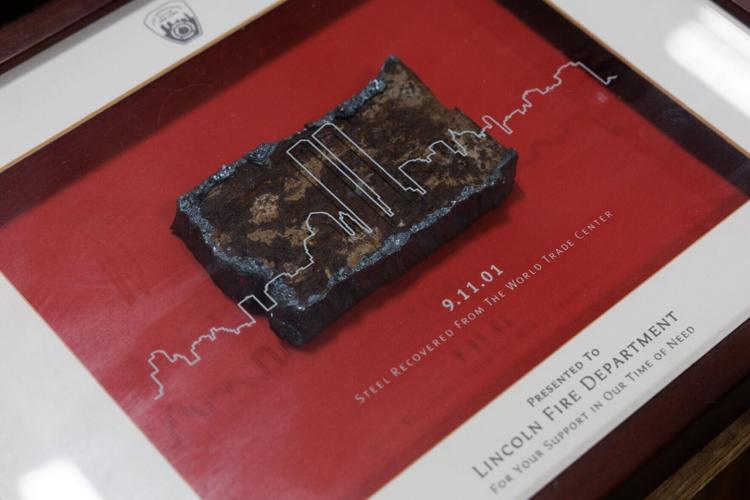
A piece of steel recovered from the World Trade Center is framed at Nebraska Task Force 1 in Lincoln on Aug. 20.
NIKOS FRAZIER, THE WORLD-HERALD
kAmq@C6C <?@HD E96C6 2C6 E9:?8D E96J 4@F=5?’E 7:I] %96J 4@F=5?’E 3C:?8 9@>6 E96 a[fdb A6@A=6 H9@ 5:65 2E E96 (@C=5 %C256 r6?E6C[ E96 `gc <:==65 2E E96 !6?E28@? @C E96 c_ A2DD6?86CD 2?5 4C6H @7 u=:89E hb H9@D6 9:;24<65 A=2?6 4C2D965 :? 2 !6??DJ=G2?:2 7:6=5 27E6C E9@D6 23@2C5 7@F89E 324<]k^Am
kAmqFE 96 >62DFC6D E96 >:DD:@? 3J H92E E96J 5:5]k^Am
kAm“tG6? E9@F89 H6 5:5?’E 7:?5 2?J3@5J … x E9:?< H6 96=A65[” q@C6C D2:5] “%92E’D 2=H2JD E96 8@2= :D E@ 96=A] p?5 H6 5:5 E92E]”k^Am
kAm%96 ?665 7@C 2 ?2E:@?2= ?6EH@C< @7 9:89=J EC2:?65 C6D4F6 E62>D H2D :>A@DD:3=6 E@ :8?@C6 27E6C h^``[ wF77 D2:5]k^Am
kAmuF?5:?8 7@C %2D< u@C46 ` 3642>6 >F49 62D:6C E@ ;FDE:7J] %96 E2D< 7@C46 82:?65 C6D@FC46D 2?5 6IA2?565 36J@?5 {:?4@=?[ 3C:?8:?8 :? 7:C67:89E6CD 7C@> ~>292] t249 56A=@J>6?E 3C@F89E ?6H 6BF:A>6?E[ 42A23:=:E:6D 2?5 6IA6C:6?46 324< E@ }63C2D<2]k^Am
kAm“(6’C6 3=6DD65 E@ 92G6 E96 E2D< 7@C46 96C6[” wF77 D2:5[ 86DEFC:?8 E@H2C5 E96 DA64:2=:K65 6BF:A>6?E :? :ED 9625BF2CE6CD — C6D@FC46D 96 D2:5 2 4@>>F?:EJ {:?4@=?’D D:K6 H@F=5 @E96CH:D6 DECF88=6 E@ ;FDE:7J 3FJ:?8]k^Am
kAm“(6 2C6 =F4<J[” 96 D2:5] “p?5 @?=J 3642FD6 x H2D 5F>3 6?@F89 E@ 7:== @FE 2 E9C66\C:?8 3:?56C 7F== @7 7@C>D]”k^Am
kAmx? E96 62C=J a___D[ wF77 7@F?5 9:>D6=7 EC2G6=:?8 E9C@F89@FE E96 |:5H6DE[ E6==:?8 6>6C86?4J >2?286>6?E 8C@FAD 23@FE E96 !6?E28@? C6DA@?D6[ E6==:?8 C6A@CE6CD 23@FE 9@H 96 42>6 E@ 36 2E E96 46?E6C @7 2? 6G6?E ?@H E2F89E :? 9:DE@CJ 3@@<D[ 2?5 C6>6>36C:?8 H92E :E >62?E E@ 36 23=6 E@ 96=A H96? >F49 @7 E96 4@F?ECJ 76=E 96=A=6DD]k^Am
kAm“xE C62==J D@=:5:7:65 @FC p>6C:42??6DD 2E E96 E:>6[” wF77 D2:5] “p?5 x E9:?< H6 4@F=5 FD6 D@>6 >@C6 @7 E92E C:89E ?@H]”k^Am
Our top Omaha staff photos & videos of August 2026
Red Bull acrobatic pilot Kevin Coleman performs during the Defenders of Freedom Air and Space Show at Offutt Air Force Base on Saturday, Aug. 8, 2026.
NIKOS FRAZIER, THE WORLD-HERALD
during the Juneteenth parade in Omaha on Saturday, Aug. 15, 2026.
NIKOS FRAZIER, THE WORLD-HERALD
Brett Lindstrom, non-partisan candidate for Nebraska governor, carries boxes of signatures for his nonpartisan governor bid into the Marriott Cornhusker Hotel in Lincoln on Monday, Aug. 3, 2026.
NIKOS FRAZIER, THE WORLD-HERALD
Jeremiah Morris, 13, goes up for a shot against Omaha Police Capt. Paul Hanson during a National Night Out event at the Christie Heights Community Center in Omaha on Tuesday, Aug. 4, 2026.
NIKOS FRAZIER, THE WORLD-HERALD
Conor Oberst of Bright Eye performs during Maha Festival at Heartland of America Park Omaha on Saturday, Aug. 8, 2026.
NIKOS FRAZIER, THE WORLD-HERALD
Frankie Harris celebrates with his caddie, Tyler Lipscomb, after defeating Alistair Docherty in a playoff to win the Pinnacle Bank Championship at Indian Creek Golf Club in Omaha on Sunday, Aug. 9, 2026.
NIKOS FRAZIER, THE WORLD-HERALD
Rev. Daniel S. Hendrickson, Creighton University President, center right, celebrates during a ribbon cutting ceremony for Creighton University's Magis Hall in Omaha on Tuesday, Aug. 11, 2026. Magis Hall is Creighton University's newest residence hall that will house 409 sophomore students.
NIKOS FRAZIER, THE WORLD-HERALD
Nebraska's Andi Jackson and Harper Murray speak with reporters during a press conference at the Hawks Championship Center in Lincoln on Thursday, Aug. 13, 2026.
NIKOS FRAZIER, THE WORLD-HERALD
N-yajah Jackson, 13, and the Royal House of Diamond dancers perform during the Juneteenth parade in Omaha on Saturday, Aug. 15, 2026.
NIKOS FRAZIER, THE WORLD-HERALD
Shelley Larsen, Assistant Managing Editor, is announced as the 2025 Dorr Award winner at the OWH Newsroom in Omaha on Wednesday, Aug. 5, 2026.
NIKOS FRAZIER, THE WORLD-HERALD
Brinker Harding, Republican nominee in Nebraska's 2nd Congressional district discusses a variety of topics during an interview at his home in Omaha on July 17, 2026.
CHRIS MACHIAN, THE WORLD-HERALD
A look inside Pinnacle Bank Arena during the Red-White Scrimmage in Lincoln on Sunday, Aug. 16, 2026.
NIKOS FRAZIER, THE WORLD-HERALD
Omaha Police officer Ryan Keele with his K-9 partner, Kano, at the Gary and Mary West Regional Canine Training Facility in Omaha on Tuesday, Aug. 18, 2026.
NIKOS FRAZIER, THE WORLD-HERALD
Nebraska assistant coach Marcus Satterfield during a football practice at the Hawks Championship Center in Lincoln on Tuesday, Aug. 18, 2026.
NIKOS FRAZIER, THE WORLD-HERALD
A life jacket loaner station is seen at Wehrspann Lake in the Chalco Hills Recreation Area in Papillion on Wednesday, Aug. 19, 2026. The station is dedicated to Wyatt "Stooky" Bernal, who died in July after drowning in the lake.
NIKOS FRAZIER, THE WORLD-HERALD
Coleen Sullivan, 11, reacts during her sixth grade class at Buffett Middle School in Omaha on Wednesday, Aug. 19, 2026.
NIKOS FRAZIER, THE WORLD-HERALD
Former Omaha Mayor Jean Stothert unveils Jean Stothert Street during a ceremony in Omaha on Thursday, Aug. 20, 2026.
NIKOS FRAZIER, THE WORLD-HERALD
Nebraska's Mekhi Nelson (13) breaks a tackle from Ohio's DJ Walker (2) while scoring a touchdown during the second half of a college football game at Memorial Stadium in Lincoln on Saturday, Sept. 5, 2026.
CHRIS MACHIAN,THE WORLD-HERALD
Nebraska's Jahsear Whittington (1) hits Ohio's Nick Poulos (8) as he throws the ball during the first half of a college football game at Memorial Stadium in Lincoln on Saturday, Sept. 5, 2026.
CHRIS MACHIAN,THE WORLD-HERALD
Fans walk by an area that is closed off due to construction prior to a college football game between the Nebraska Huskers and the Ohio Bobcats in Lincoln on Saturday, Sept. 5, 2026.
CHRIS MACHIAN,THE WORLD-HERALD
Ohio's Dom Dorwart (3) catches a pass above Nebraska's Jeremiah Charles (25) for a two-point conversion during the second half of a college football game at Memorial Stadium in Lincoln on Saturday, Sept. 5, 2026.
CHRIS MACHIAN, THE WORLD-HERALD
Be the first to know
Get local news delivered to your inbox!