YORK — David Hamling said he never thought much about how the parts he made during his nearly 40 years at the aerospace manufacturing plant in York were used.
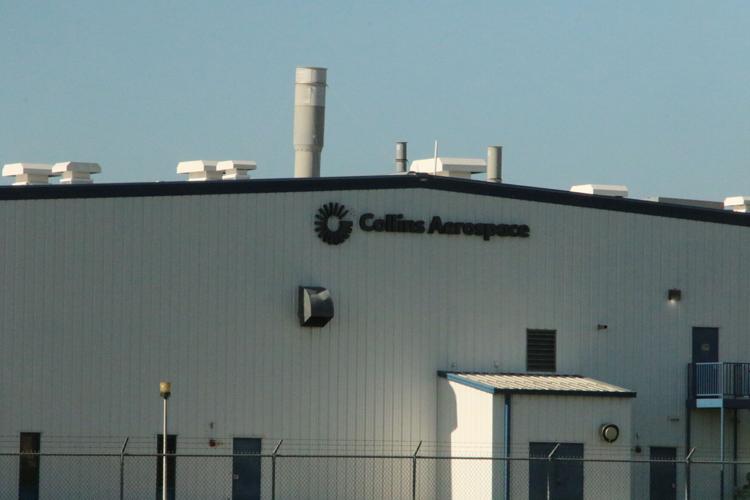
The exterior of the Collins Aerospace plant in York. The plant makes piece parts that Collins supplies for electric power generation and distribution onboard commercial and military aircraft, according to RTX spokesperson Al Killeffer. The piece parts made in York include pumps, shafts, hubs and valves.
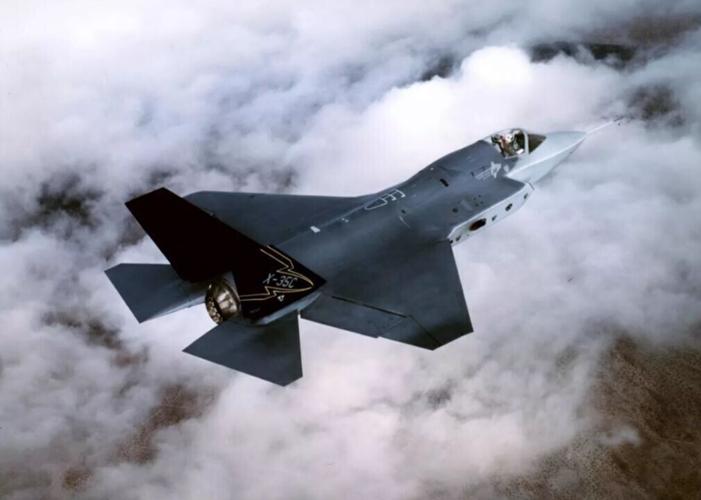
The F-35 Joint Strike Fighter is manufactured by Lockheed Martin using parts from other defense companies, including RTX, formerly Raytheon, which owns the Collins Aerospace plant in York.
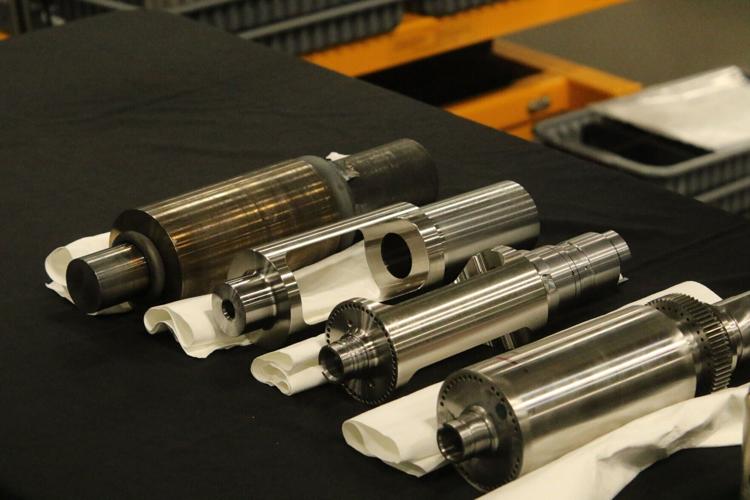
The York plant machines the rotor shaft, pictured here, from raw material. The rotor shaft assembly is what spins to create power in the F-35 generator, according to RTX spokesman Al Killeffer.
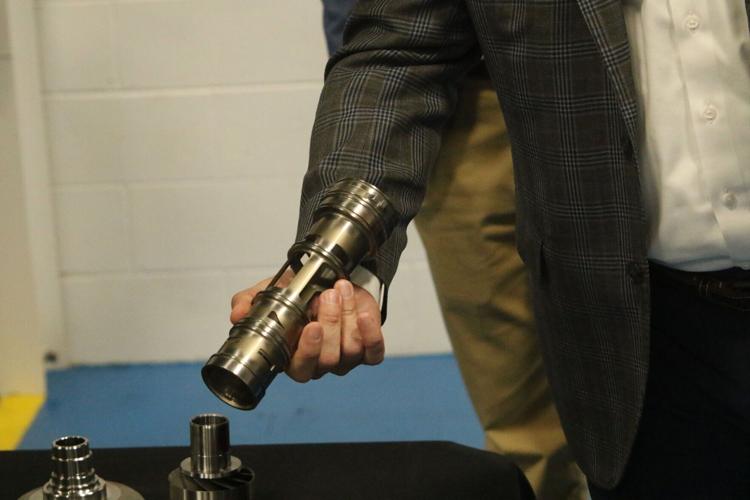
U.S. Rep. Adrian Smith holds a valve manufactured in York that goes into a fuel pump on the F-15 fighter jet's afterburner. The part is manufactured in the precision manufacturing cell, which also makes parts for the Boeing 737 and the Airbus A320. The cell had 43,041 "demand hours" expected in 2024, according to a December presentation.
The exterior of the Collins Aerospace plant in York. The plant makes piece parts that Collins supplies for electric power generation and distribution onboard commercial and military aircraft, according to RTX spokesperson Al Killeffer. The piece parts made in York include pumps, shafts, hubs and valves.
The F-35 Joint Strike Fighter is manufactured by Lockheed Martin using parts from other defense companies, including RTX, formerly Raytheon, which owns the Collins Aerospace plant in York.
The York plant machines the rotor shaft, pictured here, from raw material. The rotor shaft assembly is what spins to create power in the F-35 generator, according to RTX spokesman Al Killeffer.
U.S. Rep. Adrian Smith holds a valve manufactured in York that goes into a fuel pump on the F-15 fighter jet's afterburner. The part is manufactured in the precision manufacturing cell, which also makes parts for the Boeing 737 and the Airbus A320. The cell had 43,041 "demand hours" expected in 2024, according to a December presentation.