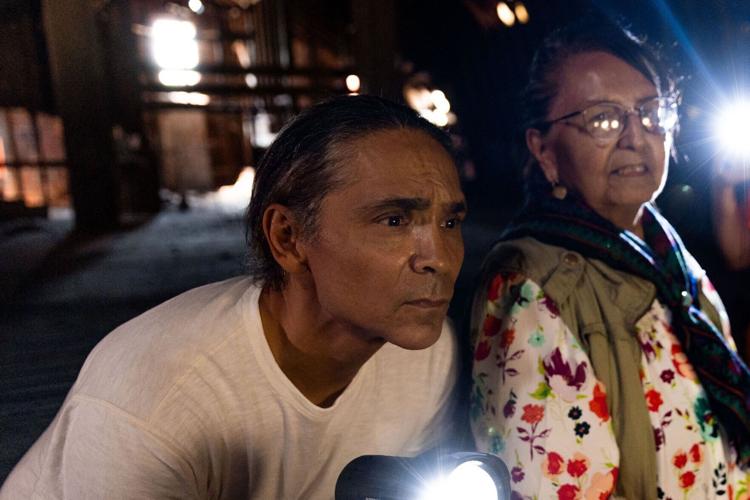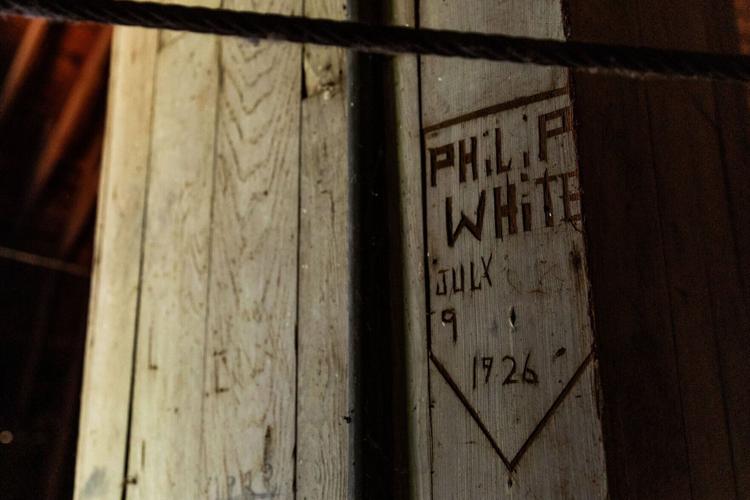
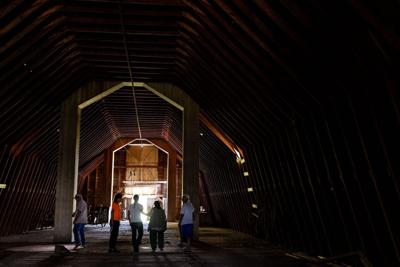
Zahn McClarnon held up a flashlight and peered at a name carved into the upper level of a barn in Genoa, Nebraska.

Zahn McClarnon and his mother, Loretta Jordan, of Omaha, use flashlights while visiting an old dairy barn on the site of the Genoa U.S. Indian Industrial School, which operated in the late 19th and early 20th centuries. Names and other messages from the children can still be seen written on and carved into the wooden beams of the barn.
People are also reading…

Names and other messages from the children can still be seen written on and carved into the wooden beams of an old dairy barn on the site of the Genoa U.S. Indian Industrial School.

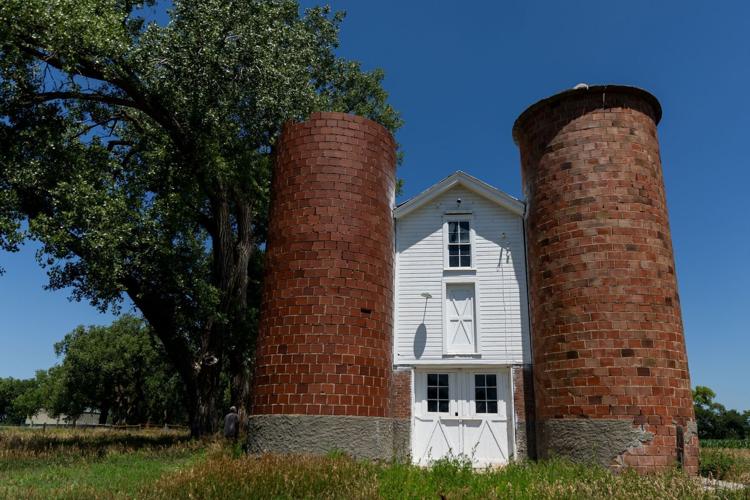
The old dairy barn on the site of the Genoa U.S. Indian Industrial School.

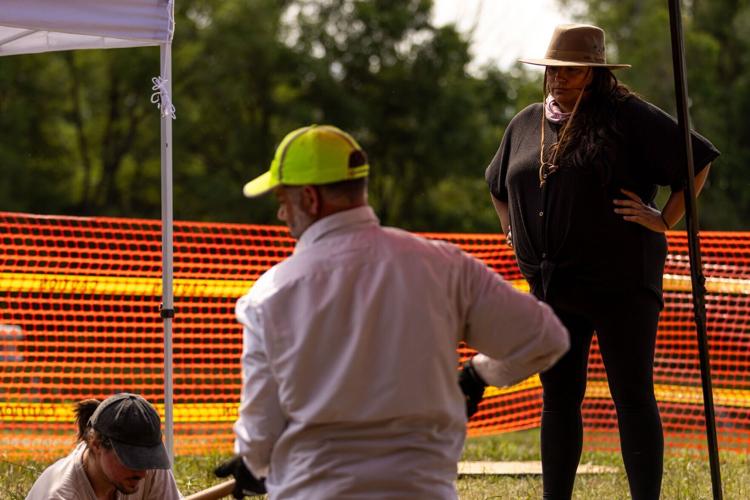
Mecca e’ Stacy Laravie, a member of the Ponca Tribe, observes and monitors Wednesday as archaeologists with History Nebraska excavate a potential burial site for children who died while attending the Genoa U.S. Indian Industrial School. Her great-grandfather attended the school.
Photos: Excavation begins on potential site of Genoa Indian School cemetery

Mak Coufal, right, with History Nebraska, and Nancy Carlson, a volunteer with the Genoa Indian School Foundation, excavate a potential burial site for children who died while at the Genoa U.S. Indian Industrial School in the late 19th and early 20th centuries. Photographed near the site of the school, bordering the Loup River Power Canal in Genoa, Neb., on Monday.

Nancy Carlson, a volunteer with the Genoa Indian School Foundation, sifts through dirt and clay while excavating a potential burial site for children who died while at the Genoa U.S. Indian Industrial School in the late 19th and early 20th centuries. Photographed near the site of the school, bordering the Loup River Power Canal in Genoa, Neb., on Monday.

Dave Williams, the Nebraska State Archeologist with History Nebraska, excavates a potential burial site for children who died while at the Genoa U.S. Indian Industrial School in the late 19th and early 20th centuries. Photographed near the site of the school, bordering the Loup River Power Canal in Genoa, Neb., on Monday.

Mak Coufal, with History Nebraska, excavates a potential burial site for children who died while at the Genoa U.S. Indian Industrial School in the late 19th and early 20th centuries. Photographed near the site of the school, bordering the Loup River Power Canal in Genoa, Neb., on Monday.

Nancy Carlson, a volunteer with the Genoa Indian School Foundation, sifts through dirt and clay while excavating a potential burial site for children who died while at the Genoa U.S. Indian Industrial School in the late 19th and early 20th centuries. Photographed near the site of the school, bordering the Loup River Power Canal in Genoa, Neb., on Monday.

Dave Williams, the Nebraska State Archeologist with History Nebraska, excavates a potential burial site for children who died while at the Genoa U.S. Indian Industrial School in the late 19th and early 20th centuries. Photographed near the site of the school, bordering the Loup River Power Canal in Genoa, Neb., on Monday.

Archeologists with History Nebraska excavate a potential burial site for children who died while at the Genoa U.S. Indian Industrial School in the late 19th and early 20th centuries. Photographed with a drone near the site of the school, bordering the Loup River Power Canal in Genoa, Neb., on Monday.

Dave Williams, the Nebraska State Archeologist with History Nebraska, excavates a potential burial site for children who died while at the Genoa U.S. Indian Industrial School in the late 19th and early 20th centuries. Photographed near the site of the school, bordering the Loup River Power Canal in Genoa, Neb., on Monday.

Archeologists with History Nebraska excavate a potential burial site for children who died while at the Genoa U.S. Indian Industrial School in the late 19th and early 20th centuries. Photographed near the site of the school, bordering the Loup River Power Canal in Genoa, Neb., on Monday.

Archeologists with History Nebraska excavate a potential burial site for children who died while at the Genoa U.S. Indian Industrial School in the late 19th and early 20th centuries. Photographed with a drone near the site of the school, bordering the Loup River Power Canal in Genoa, Neb., on Monday.

Jarell Grant, Zahn McClarnon and Mark Parker monitor and observe Tuesday as Brittany Walter, a forensic anthropologist and consultant with History Nebraska, excavates a potential burial site for children who died while at the Genoa U.S. Indian Industrial School in the late 19th and early 20th centuries.

A photograph of Mildred Lowe with her mother taken in 1924. Mildred died at 12 while attending the Genoa school. Her niece, Carolyn Fiscus, a member of the Winnebago Tribe, shared the photo as she observed the gravesite search.

Dave Williams, left, and Mak Coufal, both with History Nebraska, excavate a potential burial site for children who died while at the Genoa U.S. Indian Industrial School in the late 19th and early 20th centuries. Photographed near the site of the school, bordering the Loup River Power Canal in Genoa, Neb., on Tuesday.

Mak Coufal, with History Nebraska, excavates near a strip of light at a potential burial site for children who died while at the Genoa U.S. Indian Industrial School in the late 19th and early 20th centuries. Photographed near the site of the school, bordering the Loup River Power Canal in Genoa, Neb., on Tuesday.

The railroad tracks, stile and gate surrounding the Genoa U.S. Indian Industrial School campus.

Carolyn Fiscus, a member of the Winnebago tribe, observes as archeologists with History Nebraska excavate a potential burial site for children who died while attending the Genoa U.S. Indian Industrial School, which operated in the late 19th and early 20th centuries. Fiscus' aunt, Mildred Lowe, died at 12 years old when she was a student at the school. Photographed near the site of the school, bordering the Loup River Power Canal in Genoa, Neb., on Tuesday.

Archeologists with History Nebraska excavate a potential burial site for children who died while at the Genoa U.S. Indian Industrial School in the late 19th and early 20th centuries. Photographed with a drone near the site of the school, bordering the Loup River Power Canal in Genoa, Neb., on Tuesday.

A death certificate for Mildred Lowe, the aunt of Carolyn Fiscus, a member of the Winnebago tribe, who died at 12 years old while attending the Genoa U.S. Indian Industrial School, which operated in the late 19th and early 20th centuries. Fiscus came out to observe as archeologists with History Nebraska excavate a potential burial site for children who died while at the school. Photographed near the site of the school, bordering the Loup River Power Canal in Genoa, Neb., on Tuesday.

A photograph of Mildred Lowe with her mother taken in 1924. Mildred died at 12 years old while attending the Genoa U.S. Indian Industrial School, which operated in the late 19th and early 20th centuries. Her niece, Carolyn Fiscus, a member of the Winnebago tribe, came out to observe as archeologists with History Nebraska excavate a potential burial site for children who died while at the school. Photographed near the site of the school, bordering the Loup River Power Canal in Genoa, Neb., on Tuesday.

Dave Williams, the Nebraska State Archeologist with History Nebraska, measures and excavates a potential burial site for children who died while at the Genoa U.S. Indian Industrial School in the late 19th and early 20th centuries. Photographed near the site of the school, bordering the Loup River Power Canal in Genoa, Neb., on Tuesday.

Sunshine Thomas-Bear, the Tribal Historic Preservation Officer for the Winnebago tribe, observes and monitors as Dave Williams, Brittany Walter and Mak Coufal excavate a potential burial site for children who died while at the Genoa U.S. Indian Industrial School in the late 19th and early 20th centuries. Photographed near the site of the school, bordering the Loup River Power Canal in Genoa, Neb., on Tuesday.

Archeologists with History Nebraska excavate a potential burial site for children who died while at the Genoa U.S. Indian Industrial School in the late 19th and early 20th centuries. Photographed near the site of the school, bordering the Loup River Power Canal in Genoa, Neb., on Tuesday.

Drone photography of Genoa, Neb., on Tuesday.

Loretta Jordan, of Omaha, gets a closer look as she and her son, Zahn McClarnon and Judi gaiashkibos, the executive director of the Nebraska Commission on Indian Affairs, visit an old dairy barn on the site of the Genoa U.S. Indian Industrial School, which operated in the late 19th and early 20th centuries. Names and other messages from the children can still be seen written on and carved into the wooden beams of the barn. Photographed in Genoa, Neb., on Monday.

Names and other messages from the children can still be seen written on and carved into the wooden beams of an old dairy barn on the site of the Genoa U.S. Indian Industrial School, which operated in the late 19th and early 20th centuries. Photographed in Genoa, Neb., on Monday.

From left, Jerry Carlson, Judi gaiashkibos, Zahn McClarnon, Loretta Jordan and Tammy Rohde visit an old dairy barn on the site of the Genoa U.S. Indian Industrial School, which operated in the late 19th and early 20th centuries. Names and other messages from the children can still be seen written on and carved into the wooden beams of the barn. Photographed in Genoa, Neb., on Monday.

Mecca e' Stacy Laravie, a member of the Ponca tribe, knowledge keeper and cultural resource management consultant, observes and monitors as archeologists with History Nebraska excavate a potential burial site for children who died while attending the Genoa U.S. Indian Industrial School, which operated in the late 19th and early 20th centuries. Her great grandfather attended the school. Photographed near the site of the school, bordering the Loup River Power Canal in Genoa, Neb., on Wednesday.

Names and other messages from the children can still be seen written on and carved into the wooden beams of an old dairy barn on the site of the Genoa U.S. Indian Industrial School, which operated in the late 19th and early 20th centuries. Photographed in Genoa, Neb., on Monday.

Zahn McClarnon and his mother, Loretta Jordan, of Omaha, visit an old dairy barn on the site of the Genoa U.S. Indian Industrial School, which operated in the late 19th and early 20th centuries. Names and other messages from the children can still be seen written on and carved into the wooden beams of the barn. Photographed in Genoa, Neb., on Monday.

Zahn McClarnon and his mother, Loretta Jordan, of Omaha, use flashlights while visiting an old dairy barn on the site of the Genoa U.S. Indian Industrial School, which operated in the late 19th and early 20th centuries. Names and other messages from the children can still be seen written on and carved into the wooden beams of the barn. Photographed in Genoa, Neb., on Monday.

A train rolls past as archeologists with History Nebraska excavate a potential burial site for children who died while at the Genoa U.S. Indian Industrial School in the late 19th and early 20th centuries. Photographed near the site of the school, bordering the Loup River Power Canal in Genoa, Neb., on Wednesday.

Train tracks nearby as archeologists with History Nebraska excavate a potential burial site for children who died while at the Genoa U.S. Indian Industrial School in the late 19th and early 20th centuries. Photographed near the site of the school, bordering the Loup River Power Canal in Genoa, Neb., on Wednesday.

Loretta Jordan of Omaha gets a closer look as she and her son, Zahn McClarnon, and Judi gaiashkibos, director of the Nebraska Commission on Indian Affairs, visit an old dairy barn Monday on the site of the Genoa U.S. Indian Industrial School. The school operated in the late 19th and early 20th centuries. Names and other messages from the children can still be seen written on and carved into the wooden beams of the barn.
Carolyn Fiscus, a member of the Winnebago tribe, observes as archeologists with History Nebraska excavate a potential burial site for children who died while attending the Genoa U.S. Indian Industrial School, which operated in the late 19th and early 20th centuries. Fiscus' aunt, Mildred Lowe, died at 12 years old when she was a student at the school. Photographed near the site of the school, bordering the Loup River Power Canal in Genoa, Neb., on Tuesday, July 11, 2023.
As the search for the Genoa U.S. Indian Industrial School cemetery narrows, tribal leaders and researchers prepare for what they may find.
Detection dogs indicated they identified a potential burial site for children who died while at the Genoa U.S. Indian Industrial School in the late 19th and early 20th centuries. Photographed near the site of the school, bordering the Loup River Power Canal in Genoa, Neb., on Wednesday, May 25, 2022.