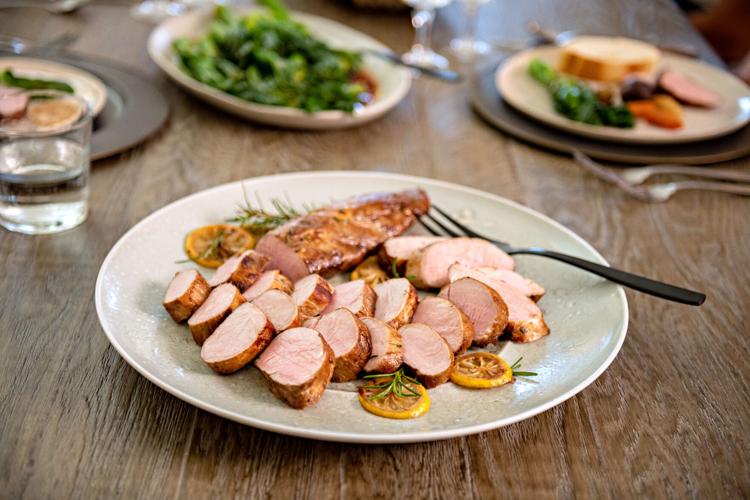

Cooking with pork is so versatile.
You can make succulent Cuban pork tenderloin, enjoy candy bacon or share a platter of lean pork street tacos. How about a pork tenderloin sandwich or braised, marbleized BBQ ribs? Welcome to the table of pork.

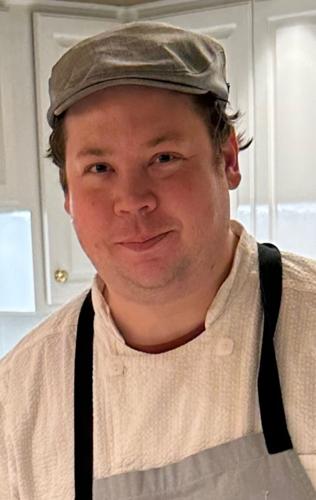
John Benton, Ruhlman Steakhouse Chef
According to chef John Benton, the array of pork dishes and styles of cooking the “other white meat” have evolved with the chef-driven desire to experiment with one of the most nutritious cuts of meat around and, with some farmers’ interest in raising niche breeds, the result is an even greater variety of high-quality pork.
“Modern breeding techniques have evolved to the point where resulting cuts have more flavor and fat, producing a much more versatile selection for chefs,” he said. “A generation ago, everybody’s mom would make pork chops for the kids from meat that needed to be cooked until well done. Today’s cuts are of higher quality, with a juicy, more marbled tenderness, creating a lot more delicious options for a chef to keep coming back to. In fact, today’s pork is so tender you can cook it nearly the same way you would a good steak.”
Plus, there are more varieties and cuts available to choose from today, according to Benton. His go-to pork favorites include sirloin, tenderloin and steak. Another favorite is the coppa muscle, located behind the back of the pig’s head, at the top of the shoulder. He describes it as the most “well-marbled tender cut of pork” he has ever cooked with. To achieve the ultimate tenderness, Benton recommends curing this cut in salt, herbs and spices, hanging it on a dry rack to age and then serving it as charcuterie.
Benton said that while dry aging is an extremely popular way of preparing beef, “dry aging does miraculous stuff to today’s pork in terms of flavor.” He recommends at least 28 to 35 days of aging to achieve that sweet spot of excellent taste. In fact, Benton said dry-aged pork loin is his favorite meal to prepare, in addition to the pork tenderloin sandwich, a Nebraska staple, and the marbled BBQ ribs that are braised, breaded and flash-fried.
For optimal cooking results, Benton recommends pulling pork out of the oven or off the grill when it is about 130 degrees, and then letting it rest until it reaches 140, which tends to enhance the juiciness and flavor.
He said pork lovers should visit their local butcher for recommendations and unique recipe suggestions. And for customers visiting their local grocery store, Benton offered high praise of the availability of great-tasting, affordable and nutritious pork offerings.

As for its nutritious benefits, the numbers don’t lie. A benefit to the palate and the plate, both pork tenderloin and pork sirloin roast satisfy the American Heart Association’s definition of lean: less than 5 grams of fat, less than 2 grams of saturated fat and less than 480 milligrams of sodium, per 100 grams. In fact, Benton said today’s pork has 16 percent less fat and 27 percent less saturated fat than it did when grandma was cooking pork chops 30 years ago. Pork tenderloin is as lean as a skinless chicken breast.
Benton’s newest restaurant, Ruhlman Steakhouse, is set to open in Ashland in early summer and while steak is in the name, pork will also be on the menu, Benton said.
“Today’s foodies demand it,” he said. “Besides, with the new cuts, varieties and breeding methods, it’s time for everyone to fall in love with pork.”
Invite the new pork to your table.
Click here to learn more about the Power of Pork.