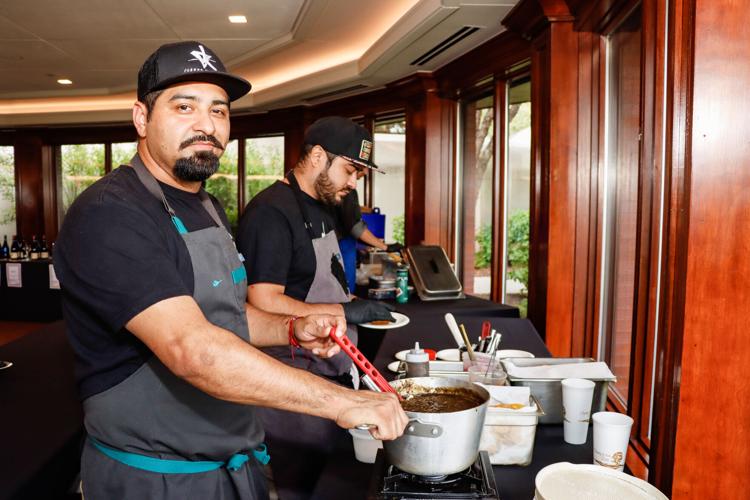

Chef Oscar Hernandez of Corner Kitchen in Omaha
Some still call it “the other white meat” — and with good reason. Like chicken, pork lends itself nicely to any number of preparations, cooking techniques, recipes and cuisines. Here, Chef Oscar Hernandez of Corner Kitchen in Omaha shares his thoughts on working with this adaptable main ingredient.
Hernandez certainly knows his pork. Competing in the culinary division of Omaha’s premiere Pinot, Pigs & Pours event, Hernandez has won Chef Par Excellence, Superior Chef and People’s Choice accolades.
“We use pork every day in the restaurant — mainly confit pork, pork shoulder, chorizo and pork belly,” said the chef-owner. “Pork is very versatile because it can be cooked in so many ways — from grilling and smoking to braising and roasting. In professional kitchens, pork is usually the most commonly used protein after chicken.”

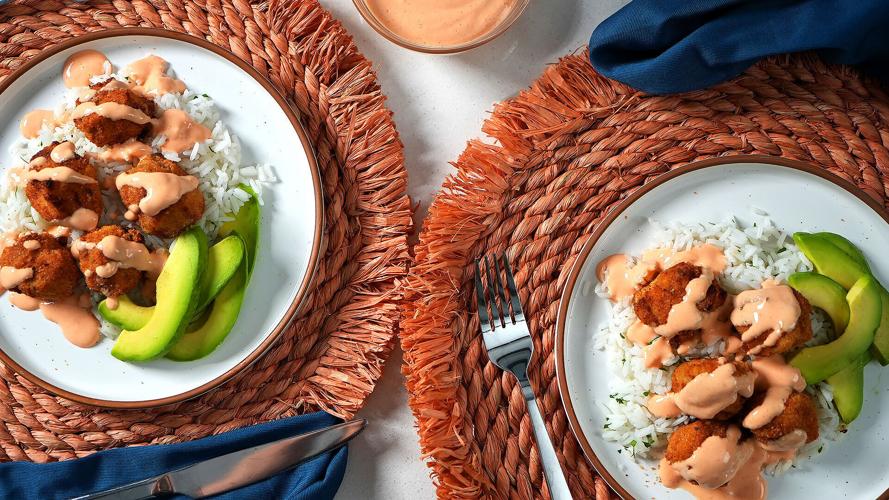
Bang Bang Pork
Born and raised in Mexico City, Hernandez moved to Omaha at age 17 and immediately found work in the restaurant industry, coming up through a progression of kitchens as he attended culinary classes at Metropolitan Community College. To celebrate his heritage, the chef teamed up with his brother Ismael and wife Maira to open Corner Kitchen in April 2022, a vibrant eatery and food truck operation serving modern Mexican street food with Asian fusion flair.
Pork is a building block of many of the most popular dishes on the Corner Kitchen menu, from the best-selling Korean pork tacos to carnitas brined in chilies and spices and then confited for six hours to render the meat mouthwateringly tender.
“Our al pastor is spit-roasted on a trompo (vertical rotisserie) after marinating the pork steaks in a rich and spicy adobo for 12 hours,” Hernandez added. “Slow-roasting is one of the best ways to treat pork because it tenderizes the tougher cuts we normally use, like shoulder, belly and ribs.”
Corner Kitchen relies on a local food distributor for its pork deliveries, but also sources products directly from regional farmers when the opportunity presents itself.
“My favorite thing about working with pork is that you can use every single part of the animal, from the ear to the tail,” Hernandez said. “For example, carnitas uses all parts of the pork, including the fat we cook the meat in.”

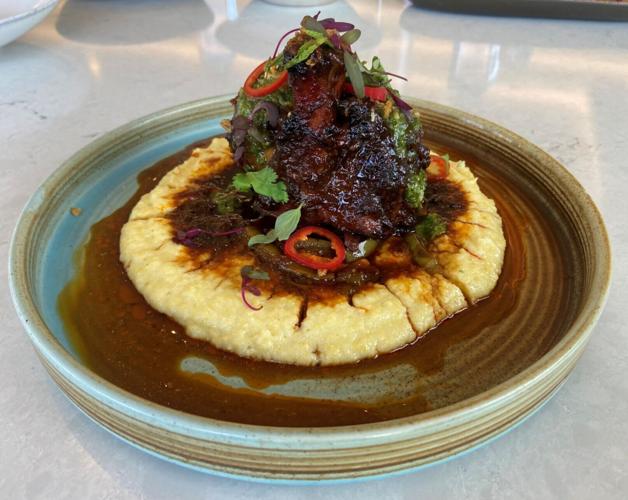
Vietnamese Pork Shank Barbacoa
Seasoning-wise, Hernandez says pork plays particularly well with chilies, ginger, garlic, lemongrass, spice rubs, barbecue and Mexican salsas, and loves a fresh tomatillo salsa paired with a fatty cut like pork shoulder. Personally, the chef admits a fondness for pork skin cooked up as carnitas or fried into chicharrónes (pork rinds) and served with hot sauce.
When shopping for pork to cook at home, Hernandez recommends seeking out shoulder steaks with a good amount of intramuscular fat marbling for the most flavor. Lean pork is rich in vitamins and minerals, and often less expensive than beef and other pricier meats.
“For inch-thick steaks, pan-searing for about two minutes on each side is ideal, or until you reach an internal temperature of 150 degrees,” he said. “Remove them from the heat and let them rest for at least five minutes, then complement them with an acidic sauce like a chimichurri.”
Hernandez also recommends this delicious Bang Bang Pork recipe, just one of the many amazing recipes available on porkessabor.com.
To learn more about the Power of Pork, go to pork.org. To view menus, location and ordering information for Corner Kitchen, visit cornerkitchenoma.my.canva.site or find the restaurant on Facebook.