

Flatwater Forum: Lexington begins to look ahead after Tyson closing
It’s time for Lexington to move beyond the grief of the closing of the Tyson Foods plant and begin looking ahead.
That was one panelist's conclusion at “Lexington after Tyson,” part of the Flatwater Forum held Friday by the statewide, nonprofit, independent Flatwater Free Press at the World Theatre.
The forum was billed as a ”conversation with experts and newsmakers about the issues facing Nebraska.” Six programs took place between 1 and 5 p.m. A reception followed at the Museum of Nebraska Art.

Natalia Alamdari
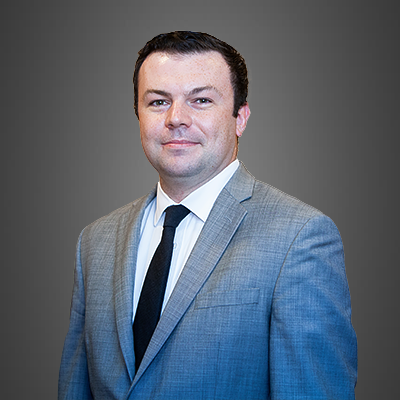
“Lexington after Tyson” was moderated by Flatwater editor Natalie Alamdari. Panelists included Rocio Casanova, youth and family services librarian at Lexington Public Library; Nuria Lemus, co-owner of Taqueria Max restaurant and a Lexington Community Foundation board member; and John McCoy, an associate economist in the Regional Affairs Department in the Omaha office of the Federal Reserve Bank of Kansas City.
Casanova said the announced closing of the Tyson plant in late November “was a huge surprise. My first thought was, ‘What are we going to do to help everyone?’”
The Jan. 20 closing left 3,200 people, or about 30% of the city's workforce, unemployed. She noted that many of those who were laid off were over age 55 and had worked at the plant for 30 years. “They needed health insurance. They needed help,” she said.
Slowly, she said, “the community began to figure out a plan to help.”
The library hosted free sessions about unemployment benefits and educational opportunities. Casanova helped create surveys asking unemployed workers what they might want to do next.
McCoy noted that the layoff affected 23% of the total Dawson County workforce. “It was the second-largest layoff of its kind, ever, in the nation,” he said.
John McCoy
He said experts knew its impacts would spill over into Lexington restaurants, stores and more. “Services would be likely to suffer as well. There could be more unemployment beyond Tyson,” he said.
But he noted that fewer people have left the geographically isolated city for work elsewhere than might be expected.
However, he said that because the plant closed just three months ago, it is far too early to know the long-term effects. Those will take months to assess.
He added that because Lexington has had just one or two major employers, “Lexington hasn’t had economic diversification, so we may see more struggles. People have fewer options.”
Lemus said, “Lexington is not alone. We’ve had a lot of assistance from other cities and organizations. We are thankful for everyone who is willing to help us meet the challenge.”

Nuria Lemus
Both Casanova and Lemus had high praise for the multicultural Lexington community.
Lemus, born in Mexico, arrived in Lexington in the third grade when her father found work here. She adapted well, graduated from Lexington High School, married and moved to Lincoln with her husband.
“But we missed a smaller community, so we moved back to Lexington,” she said. “We just love Lexington."
Casanova’s father arrived in Lexington in 1977, then moved to North Platte to work. He turned down a job in Kansas in order to remain in the Cornhusker State. “He was in love with Nebraska,” she said.
Casanova said her 4-H teacher and her aunt were “mentors” who pushed her to higher education and community involvement. She went to Central Community College, then the University of Nebraska at Kearney, thanks to them.
“A mentor isn’t necessarily your friend. A mentor says, ‘I am going to push you.’ Now I am so grateful. I want to do the same for kids in my community,” she said.
Lemus spoke no English when she arrived in Lexington. “There were only a handful of students who looked like me. Now I see a lot more, and now there are Spanish translators in the schools,” she said.
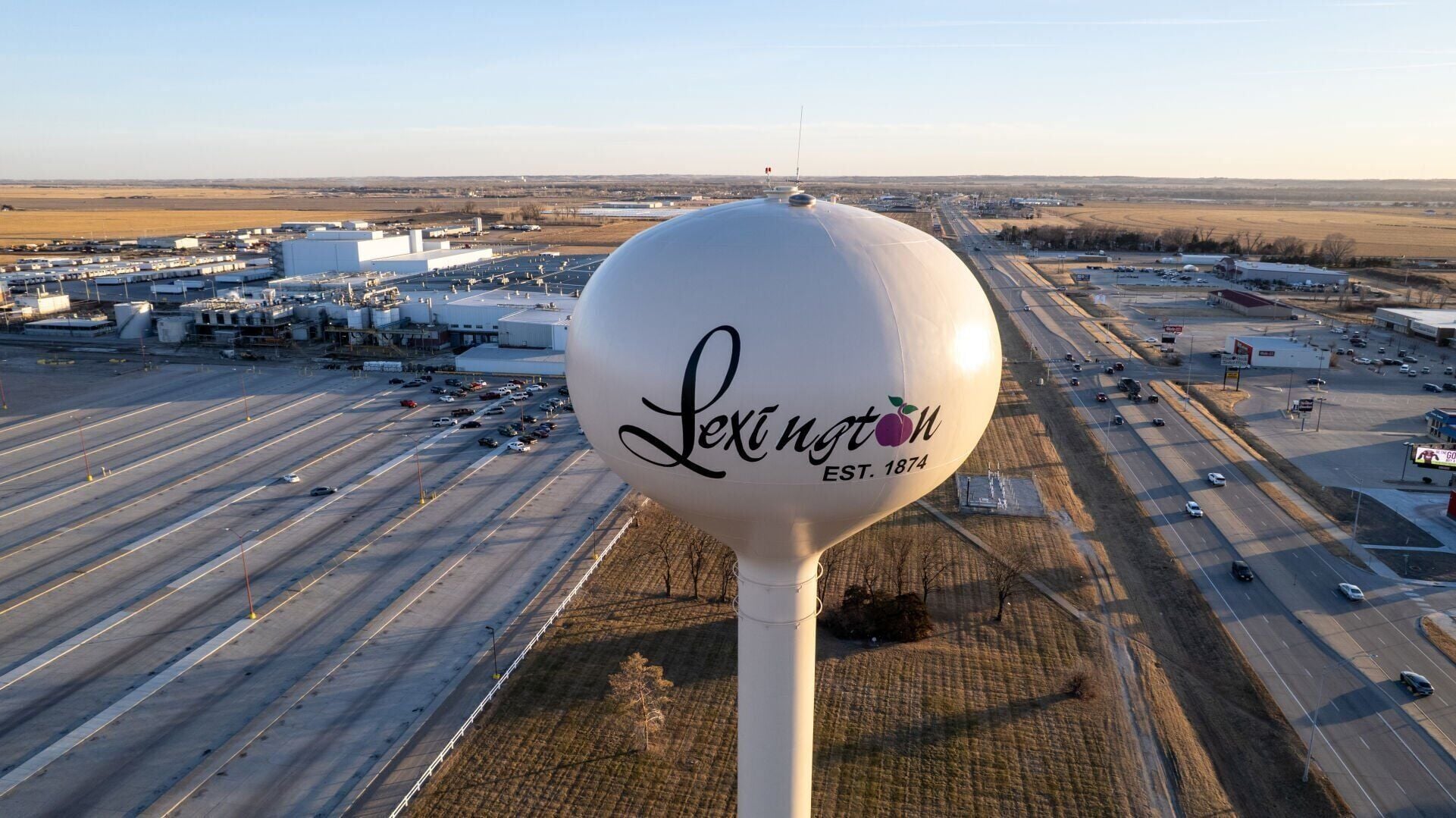
The Lexington water tower near Tyson Foods, which closed on Jan. 20, leaving 3,200 people out of work.
She noted that today, Somalian interpreters assist the large number of Somali children in the town. “Lexington has adapted very well,” she said. “We have Cuban, Chinese, Mexican people. It’s such a welcoming community, and willing to adapt to change.”
Casanova closed by focusing on the city’s positives. “The surveys coming in are telling us that we have pride. We have resources. We have amazing community schools and leaders,” she said.
“Now, five months after the Tyson closing, we are done grieving. We hope something new will come back to that building. Lexington is resilient and can adapt to change,” she said.