
Paul Hammel: Importing more beef a bad idea for Nebraska farmers
I’m no farmer. And I haven’t slept at a Holiday Inn lately.
But I do know a few folks who work the soil and tend to livestock.
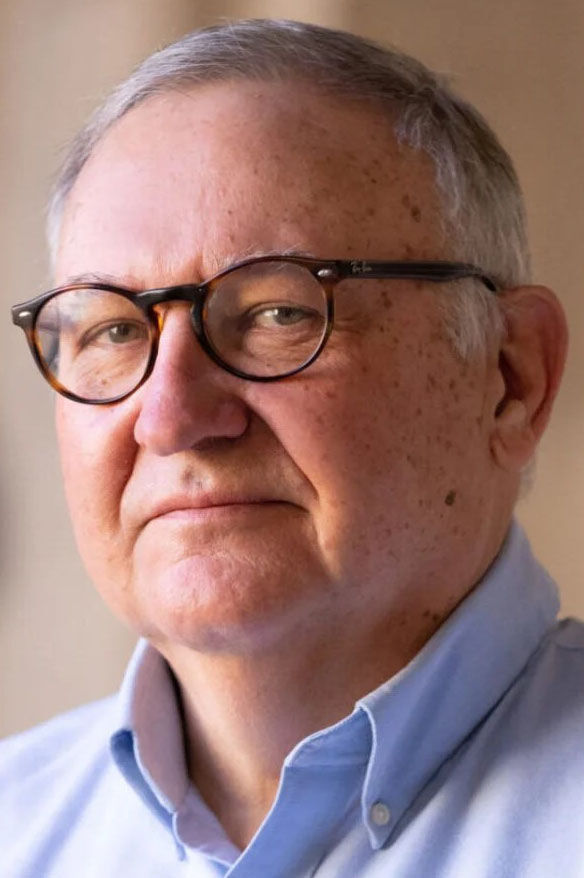
Paul Hammel
And despite abundant rains lately, it’s not the best of times down on the farms and ranches of Nebraska — the backbone of the state’s economy.
Low crop prices have hurt the bottom line of corn and soybean producers, and drought and spring wildfires out west put a hurt on cattle producers there.
Beyond that, the war with Iran has dramatically increased prices for fertilizer and diesel, which are essential farm inputs.
According to the American Farm Bureau, fuel prices for farmers shot up 46% after missiles began flying in late February. Prices for urea rose a similar amount after the Strait of Hormuz (one we’d hardly heard of before) was shut down. That’s a big deal because about half of the world’s supply of urea travels through that strait, the AFB said.
So it came as a proverbial boot in the behind when President Trump recently announced that he was allowing 300,000 metric tons of ground beef to be imported tariff free over the next 90 days.
Raising cattle, according to my farming friends, is making good money right now, in large part because the supply of cattle is at a 75-year low. Demand is still high, so with supply limited, prices have risen.
But if you bring in more imported beef, the one bright spot down on the farm isn't so bright anymore.
President Trump, as he often does, blames former President Joe Biden for the high cost of hamburger and other beef products.
But other factors are to blame — costs to buy calves and raise cattle have risen, drought in some areas cut into hay supplies, there’s competition from imported meat, and overall, there’s fewer ranchers and farmers to raise beef critters.
There's a pretty consistent cycle in the beef business.
When prices go down and it becomes more expensive to feed and process your cattle, like they did a few years back, cows are sold off, and the nation’s beef herd shrinks. But when prices get good again — like they are now — producers start rebuilding their inventories.
But it takes a few years for beef herds to rebound, so expect to pay more for your burgers for a while.
The head of the Nebraska Farm Bureau, Mark McHargue, didn’t mince words about Trump’s latest tariff-related, low blow to farmers. It “could not have come at a worse time” for the state’s cow-calf producers, he said, because they are right now making business decisions for the future.
“Temporary injections of tariff-free beef to ‘maybe’ address higher beef prices only creates short-term pain on feed calf prices without long-term solutions for cattle producers,” McHargue stated.
Beyond that, he said, an extra 300,000 metric tons won’t make much of a dent in high burger prices.
Several politicians, including U.S. Sen. Deb Fischer, panned the move by Trump as a bad idea.
But the president seems to enjoy messing with international markets, as he has done with China, once a much bigger buyer of American farm goods. Trump failed to cut a great deal with the Chinese, and farmers paid the price.
Now, our president is picking a trade fight with Canada, a consistent ally that purchases $29 billion worth of U.S. farm goods each year. Only Mexico buys more. I guess it worked out so well with China, why not?
By law, Congress is supposed to decide what tariffs to impose, not the president. The chief executive can only do so in special circumstances, which the White House has been claiming.
I’ve got an idea — why not stop picking fights and work to increase exports of American farm products? That might raise prices and improve economic prospects for farmers and ranchers. That’s what they want, not another check from the government.
Another idea — go golfing and let Congress handle tariffs. Maybe they can do better.
Paul Hammel has covered the Nebraska state government and the state for decades. He is a retired senior reporter for the Nebraska Examiner and the former Capitol Bureau Chief for the Omaha World-Herald. A native of Ralston, Nebraska, he loves traveling and writing about the state.