
Paul Hammel: High property taxes are easy to describe, harder to solve
That time of year is nearing — the time when you have to pay the second half of your property taxes, due by the end of July.
It’s a big check, and I write two of them, one for my house and one for the small farm that’s still in the family.
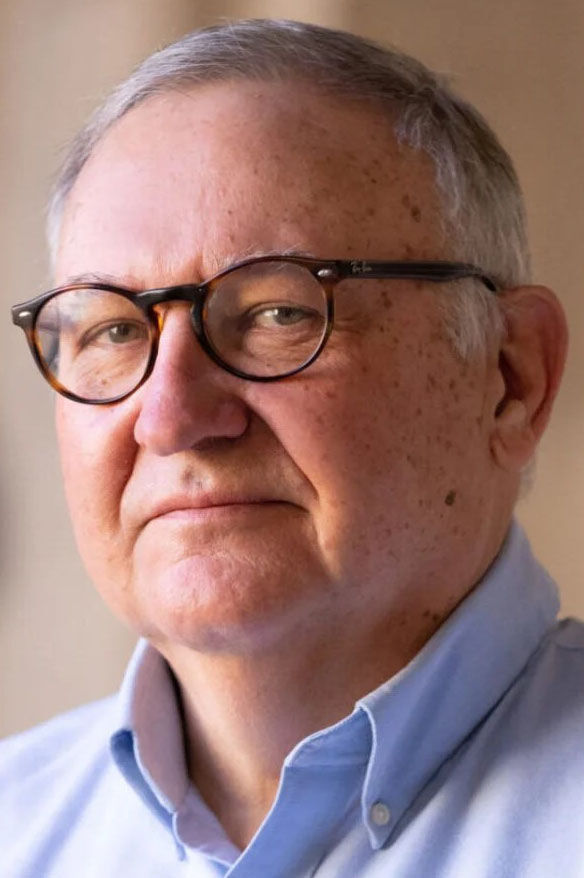
Paul Hammel
No one likes to write these checks, and we don’t need a state hotline — as launched by Gov. Pillen recently — to tell us that.
I’ll save the state some money and the governor some time by stating the obvious — just about everyone thinks property taxes are too high in Nebraska.
Some think “way, way too high” and others think “maybe just a tad too high.” But everyone thinks they’re too high.
Exacerbating the problem is the rise in the value of homes and farmland. In my case, my modest house is worth 54% more than it was five years ago, according to my local assessor. The farm’s value has risen 33% over that span.
That, of course, is good news. Our homes and our land are investments, so we want investments to increase. But since our property taxes are partly determined by the valuation, it’s also bad news.
School districts and others who rely on property tax income to operate set the tax levy, and when property values are rising like they are, they typically either lower the levy or retain the same levy so that our actual tax bill doesn't increase too much.
But I don’t think that rising valuations, or even local spending, are the reason property taxes are so high. It’s because we’ve reduced the other taxes that we use to finance government, sales and income taxes. That, in turn, has shifted the load more heavily onto property taxes.
Tax geeks (which I suppose includes me) call this the “three-legged stool.” In concept, each of the three taxes, property, sales and income, should provide a similar amount of revenue, creating a stool with three legs of equal size.
But instead of pursuing that, the Legislature and governor have chosen to cut income taxes significantly, and seem to annually pass new tax credits and exemptions that erode sales taxes.
They also carved off a quarter-cent of state sales taxes for highway construction a few years back, which wasn't a horrible idea but it also helped imbalance the three-legged stool.
Why not, I always wondered, increase the “user fee” on highway use — fuel taxes paid by truckers and motorists — instead?
The answer, of course, is that “raising taxes” have become dirty words, words that a few years back resulted in some state senators getting booted out of office after the gas tax was hiked to expand highway construction (a really good idea in our vast state).
Somehow “tax shift” has also become a verboten phrase, even though that’s what this state needs — a shift off property taxes and onto sales and income taxes.
It’s really easy to outline the problems with the state’s tax system, and much harder to make the needed changes. Every governor over the past 30 years has discovered that.
To make some needed changes, it will take the state’s business and agricultural communities to agree on some things, as well as conservative and progressive state senators to compromise.
Some folks will have to agree to pay new taxes on stuff in exchange for lower property taxes. Why not raise gas taxes? It’s one of the few ways we can have non-Nebraskans (those traveling across I-80) help pay the load.
It’s a real test of leadership, one that will require the next governor to work with a lot of interests.
But I’m pretty sure that a hotline isn’t going to help.
Paul Hammel has covered the Nebraska state government and the state for decades. He is a retired senior reporter for the Nebraska Examiner and the former Capitol Bureau Chief for the Omaha World-Herald. A native of Ralston, Nebraska, he loves traveling and writing about the state.