
Unicameral clears ag data, ‘pink postcard’ and brand bills as 2026 session wanes
A first-in-the-nation bill to protect agricultural producers’ ownership of their own farm or ranch data won final approval from state senators Friday.
Legislature Bill 525, introduced and prioritized by North Platte state Sen. Mike Jacobson, passed with a perfect 49-0 vote as the second of 65 bills getting decisive votes on the 109th Legislature’s next-to-last day.
Lawmakers also gave ringing 48-1 endorsements to LB 803, which makes two notable changes to local governments’ annual budget process, and a companion appropriations bill (LB 803A) to carry out its intent.
LB 1187, a cattle-brand reform bill meant to settle 5½ years of livestock industry disputes, won 39-10 passage as the next-to-last bill considered Friday.
Senators will return for Day 60 on April 17 to wrap up the 2026 session’s last routine business and possibly consider overriding vetoes should Gov. Jim Pillen make any in the intervening week.
Western headliners
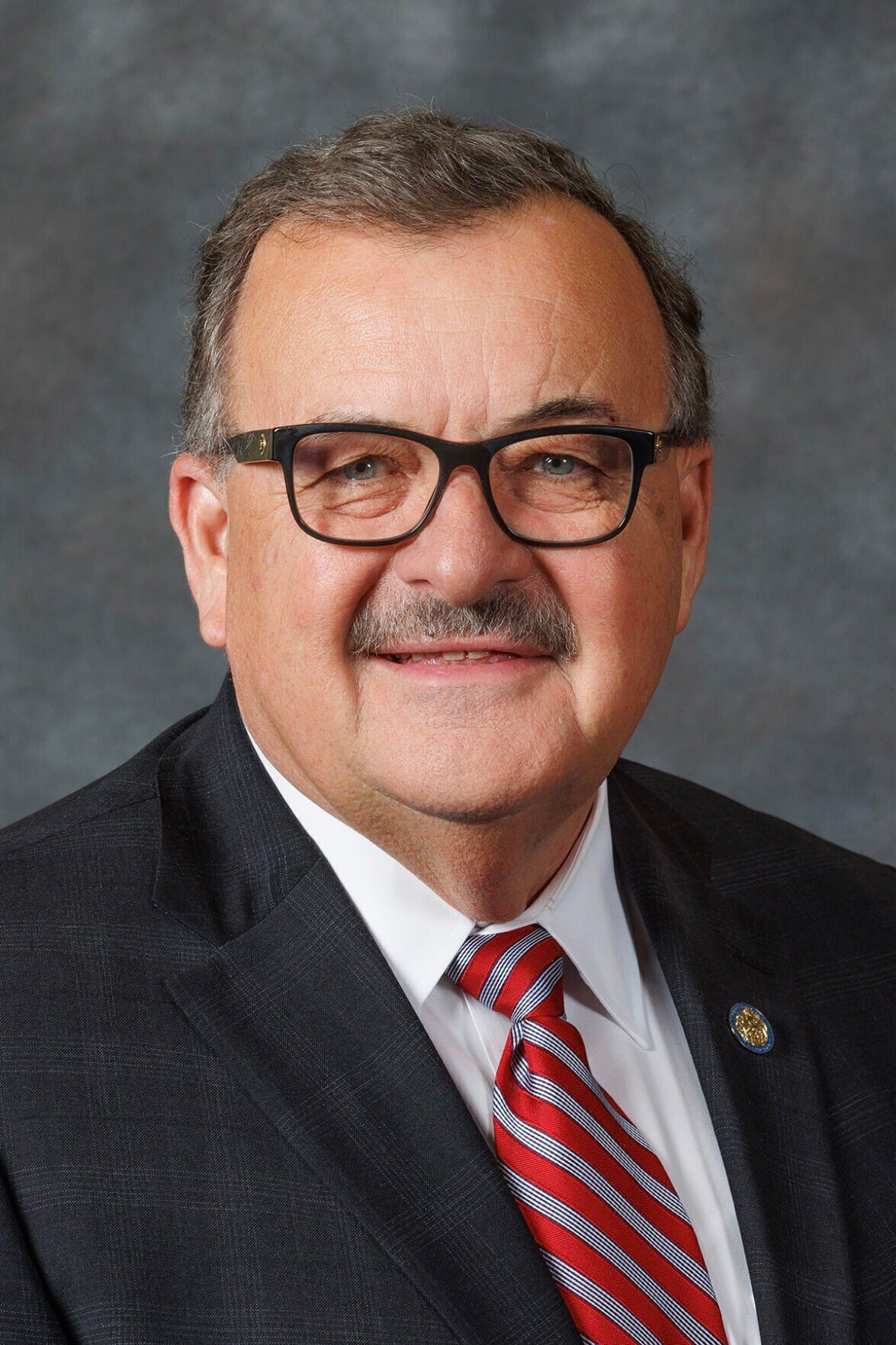
Jacobson
Jacobson ag-data bill, Ibach plant-closing measure overcome Unicam logjam
Jacobson introduced the Agricultural Data Privacy Act, two years in the making, on Pillen’s behalf. It declares ag data “a proprietary business asset that originates from the farm, land, devices and equipment of agricultural producers.”
LB 525 also says “any controller or processor” of ag data must use “reasonable administrative, technical and physical data security practices” to protect its security on producers’ behalf.
Under LB 803, most city, county and school district governing boards starting in 2027 would need to muster two-thirds of their members to raise their property tax request before their previous year’s level.
Local ‘budget season’ shakeups are in store if LB 803 clears Unicameral
The Revenue Committee bill also transforms the annual “joint property tax hearings” — dubbed “pink-postcard” hearings for the color of their notification postcards — that counties have been required to hold since 2022.
It would move the legal window to hold them from Sept. 14-24 to July 1-15, again starting in 2027, and make them more of a preview — with public comments taken — of summer and fall “budget season” work to come.
LB 803 also includes LB 1116, originally introduced by Sen. Teresa Ibach of Sumner, which adjusts how smaller cities and villages can use state “turnback taxes” for sports arena projects.
Four of the region’s five senators voted “yes” for final passage of LB 1187, which came together in the session’s final weeks. Gering Sen. Brian Hardin was “present-not voting,” which on final reading is recorded as a “no” vote under Unicameral rules.
Potential peace deal in brand wars wins 36-4 Unicam backing
Jacobson, Storer and Ibach were deeply involved in the compromise that gained hard-won consent from ranchers, other cattle growers and feedlots. It lowers maximum Nebraska Brand Committee fees for registered feedlots while raising top fees for some 33,000 brand holders statewide.
The five-member Brand Committee will grow to seven members if Pillen signs LB 1187. Eastern Nebraska counties outside the state’s brand inspection area will gain a seat for the first time, but all other members — including a feedlot owner and a livestock auction owner — must come from inside the brand area.
Other regional bills
Other bills sent to Pillen early in Friday’s session included two on health-care subjects introduced by Hardin, chairman of the Health and Human Services Committee.
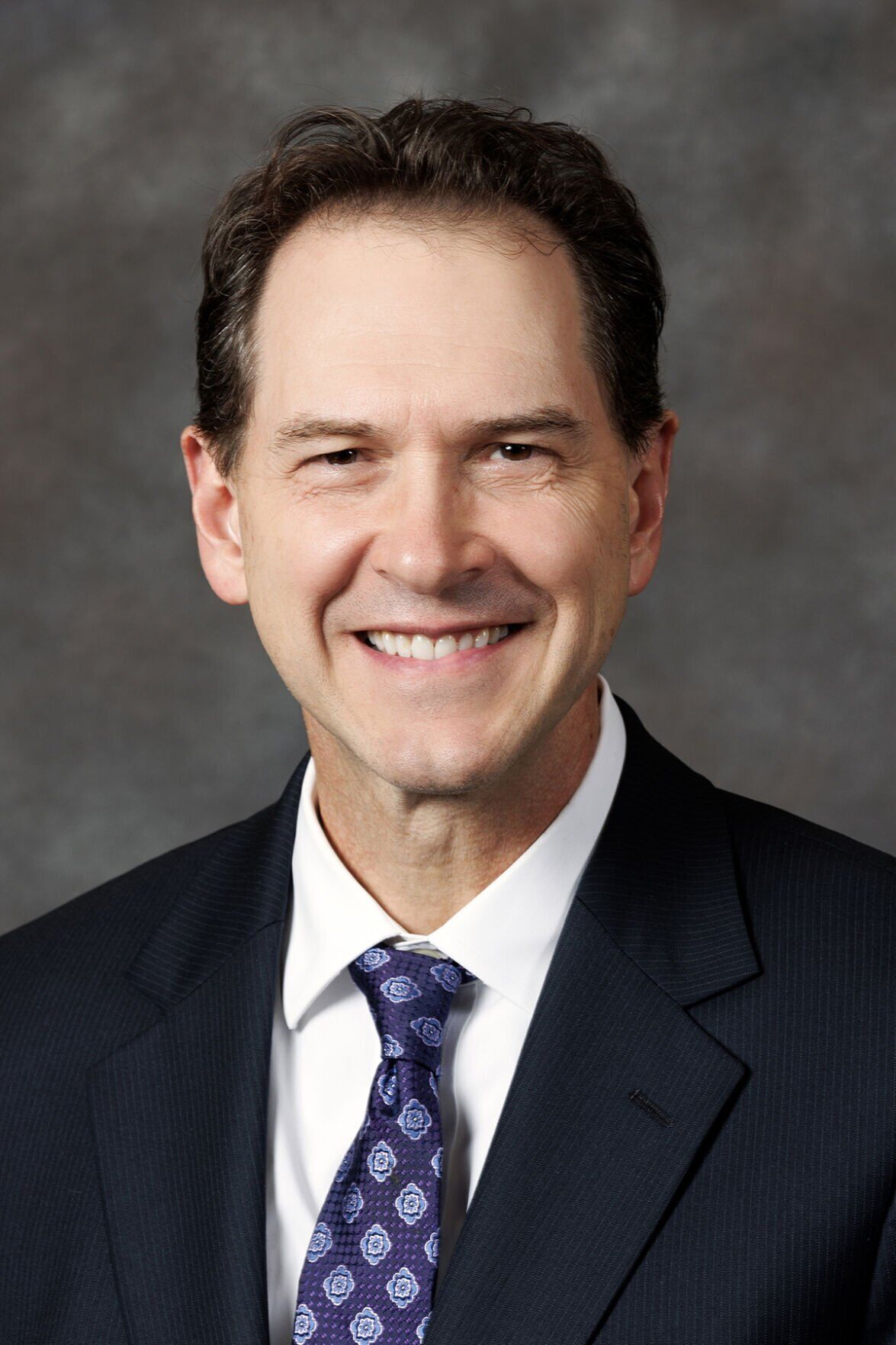
Hardin
Lawmakers gave 49-0 final approval to LB 912, which was prioritized by his committee. It would authorize the state Department of Health and Human Services to endorse community health worker training programs if Pillen signs it.
Senators voted 47-2 to pass Hardin’s LB 955, which would authorize practice agreements between pharmacists and physician assistants. Speaker John Arch prioritized the bill.
Western Nebraska senators split over LB 815, a Nebraska Ethanol Board reorganization bill introduced by Sen. Tom Brandt of Plymouth and prioritized by Ibach.
The bill, which passed 35-14, would increase Ethanol Board membership from seven to nine members and require three members to spend at least half their professional time managing an ethanol plant.
Sens. Tanya Storer of Whitman and Paul Strommen of Sidney voted against LB 815, while Jacobson, Ibach and Hardin voted “yes.”
The same regional split was officially recorded on the paired appropriations bill, LB 815A, which was approved 42-7. Storer and Strommen were both “present-not voting” though counted on the opposing side.
In other Friday action:
• Ibach won a 37-12 final vote for her LB 921, which would mandate at least 90 days’ notice by major employers of planned plant closings or mass layoffs. The bill, inspired by January’s closure of the Tyson Foods meatpacking plant in Lexington, also includes her 2025 bill (LB 308) to mandate annual state registration of health care staffing agencies.
• A 48-1 vote gave final passage to LB 1114, which includes Jacobson’s proposal to authorize “community improvement districts” that he introduced as LB 1130. It also increases the number of authorized inland port districts from five to eight — which Jacobson unsuccessfully opposed on the floor — and lowers the minimum age for buildings and lots that can obtain “microTIF” property tax reimbursements if improved from 60 to 25 years.
• LB 838, with not one but two bills introduced by Jacobson, went to Pillen on a 46-3 final vote.
Three other bills were added to the measure by the Banking, Insurance and Commerce Committee, which the District 42 senator chairs. An accompanying appropriations bill (LB 838A) passed 49-0.
The approved measure retains Jacobson’s original LB 838 purpose of adding legal protections against financial exploitation of senior and vulnerable adults.
It also includes the North Platte banker’s LB 837, which responds to the federal government’s decision to produce no more new pennies. It will let retailers round cash transactions to the nearest 5 cents.