
Paul Hammel: Football fans are the next to feel the sting of ‘reseating’
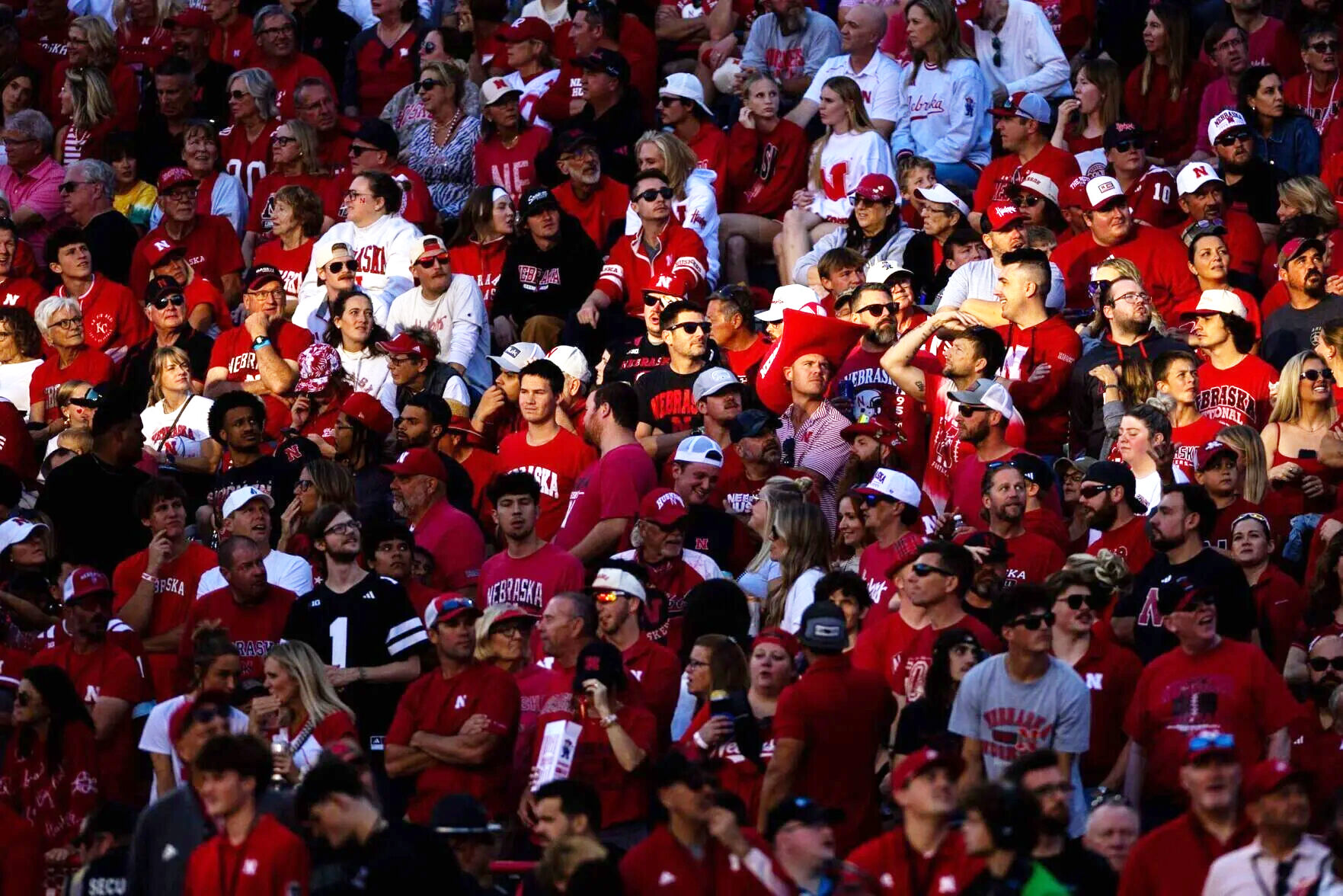
If you hated the “reseat” process for Nebraska volleyball season ticket holders, just wait for the cascade of complaints when reseating of football tickets begins next year.
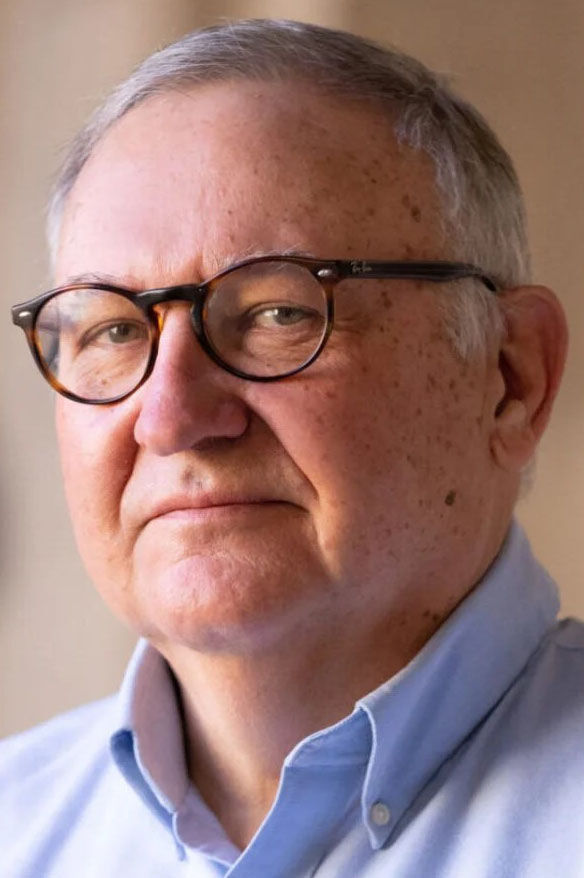
Paul Hammel
The University of Nebraska recently announced a two-year process to “reseat” Memorial Stadium. The 103-year-old facility is undergoing a major renovation that will reduce its capacity from 85,458 to about 65,000 next year, and eventually to around 80,000 in 2028.
The South Stadium, which typically holds 23,000 fans on crowded bench seats, will be torn down and replaced. And major changes are planned for the West Stadium — including the addition of all kinds of luxury boxes — as part of a $600 million rebuild.
As a long-time volleyball season ticket holder who was reseated to the nosebleed seats, I have a suggestion for long-time football season ticket holders: be prepared to donate a lot more money or be ready to sit much farther from the action.
The biggest change at Memorial Stadium will be the end to “grandfathering” season tickets, which allowed long-time season ticket holders to keep their seats and hand them down to future generations without providing a monetary donation to the athletic department.
About 24,000 seats in Memorial Stadium are held by “legacy” season ticket holders — who give no donations or provide discounted donations to the athletic department, according to Chris Dunker of the Lincoln Journal Star.
Some season tickets that require no donation will remain, but they’ll be several rows from the field, like the upper reaches of the North Stadium.
I know it’s called “reseating,” but a better term would be “unseating.” That’s because a lot of fans — including those whose tickets began long before Nebraska football began winning lots of games — will lose their seats to big donors (like $25,000 to $100,000 a year) to the athletic department every year.
You’ve no doubt heard stories about long-time ticket holders: how they endured many lean years of Nebraska football, and were finally rewarded for their loyalty when Bob Devaney and Tom Osborne began regularly winning 9 or 10 games a year in the 1960s.
Over the years, they’ve watched teams that won five national titles, but also witnessed the decline over the past 30 years.
These were fans who epitomized the words in the Husker fight song: we “all stick together, in all kinds of weather, for dear old Nebraska U.”
Well, NU’s football team isn’t ranked annually in the Top 10 like it used to be. And now, college athletics is all about money, to pay players and make stadiums more welcoming.
Thus, the reseating, which is projected to bring in nearly $30 million a year in additional donations.
For the volleyball reseating, donors who gave $25,000 a year or more got first dibs on the best seats. And they gobbled up so many that fans like me, who were supposed to get to pick four seats, got to only pick two.
My old season tickets used to be in the last row of the lower bowl. Now, I’m 15 rows higher, much nearer the ceiling than the court.
To be sure, my new season tickets are cheaper, and the mandatory contribution (which I’d paid faithfully every year) is much less. But I’d rather pay more for extra leg room and a better view of the action.
I still hear complaints from fellow volleyball fans who bought season tickets well before the sport became so crazy popular.
(And it drives me crazy to see blocks of empty seats — bought by the big donors — that sit empty in the lower bowl nowadays. Hey, if you aren’t going to use your tickets, donate them to Big Brothers-Big Sisters, or give them to someone who’s never attended a volleyball match.)
I get it, Nebraska volleyball, and now Nebraska football, needs more and more money to pay top players to come here. You just shake your head when you hear that top football programs now have payrolls of up to $50 million a year.
It’s sad, but that’s the world we live in. And long-time, faithful fans will have to step aside in the process.
Paul Hammel has covered the Nebraska state government and the state for decades. He is a retired senior reporter for the Nebraska Examiner and the former Capitol Bureau Chief for the Omaha World-Herald. A native of Ralston, Nebraska, he loves traveling and writing about the state.