This content is unavailable. Please contact customer service for more information.
Already a subscriber? Login or Activate your account.
You've reached the end of the standard E-Edition.
This content is unavailable. Please contact customer service for more information.
Government-politics
Respect Nebraska Voters initiative will not be on ballot, Secretary of State says
ANNA KLEIBER
Lincoln Journal Star
Nebraska Secretary of State Bob Evnen announced Monday a petition aiming to protect citizen-initiated laws will not be on the Nov. 3 ballot because it is not limited to a single subject.
The Respect Nebraska Voters petition would raise the threshold for changing voter-approved laws from two-thirds of the Legislature to four-fifths through a constitutional amendment, aiming to protect "the will of the people" by making it harder for the state Legislature to tweak citizen-initiated laws.
Bob Evnen
Journal Star file photo
The proposal follows efforts by lawmakers to delay or weaken measures approved by Nebraska voters.
In a statement following the announcement, Respect Nebraska Voters said the group "strongly disagrees" with Evnen’s decision and that the group plans to challenge it in court.
"This is yet another attempt by our politicians to interfere with our constitutional right to make our voices heard at the ballot box," the statement read. "Over 186,000 Nebraskans, representing voters from every county in the state, signed this petition to further protect the people’s lawmaking powers from legislative interference, and we will keep fighting to ensure Nebraskans get the chance to vote on this constitutional amendment on election day."
Evnen's announcement comes a week after an objection challenging the petition was filed with his office. The objection, filed jointly by former Sen. Curt Friesen of Henderson and Sen. Machaela Cavanaugh of Omaha, alleged that the petition violated the Nebraska Constitution, which requires ballot measures to be limited to a single subject.
Friesen is a Republican and Cavanaugh is a Democrat.
Under state law, the Secretary of State has the power to determine whether an objection has merit and whether the initiative should be certified.
Evnen said in a news release the initiative was expected to reach the required signature threshold Monday.
This isn't the first time in recent years that a ballot initiative seeking to amend the state constitution has been challenged over the single-subject requirements.
In a filing with the Nebraska Supreme Court in 2020, Lancaster County Sheriff Terry Wagner alleged that a proposal to legalize medical marijuana would violate the single-subject requirements of the state constitution and create "voter confusion and doubt" because of its language.
The high court ultimately reversed Evnen's decision to put the petition legalizing medical marijuana on the 2020 general election ballot, agreeing the ballot issue violated the single-subject requirement because its general subject and various other provisions lacked a natural and necessary connection with each other.
See our top Omaha staff photos & videos from August 2026
Jessica Kennedy
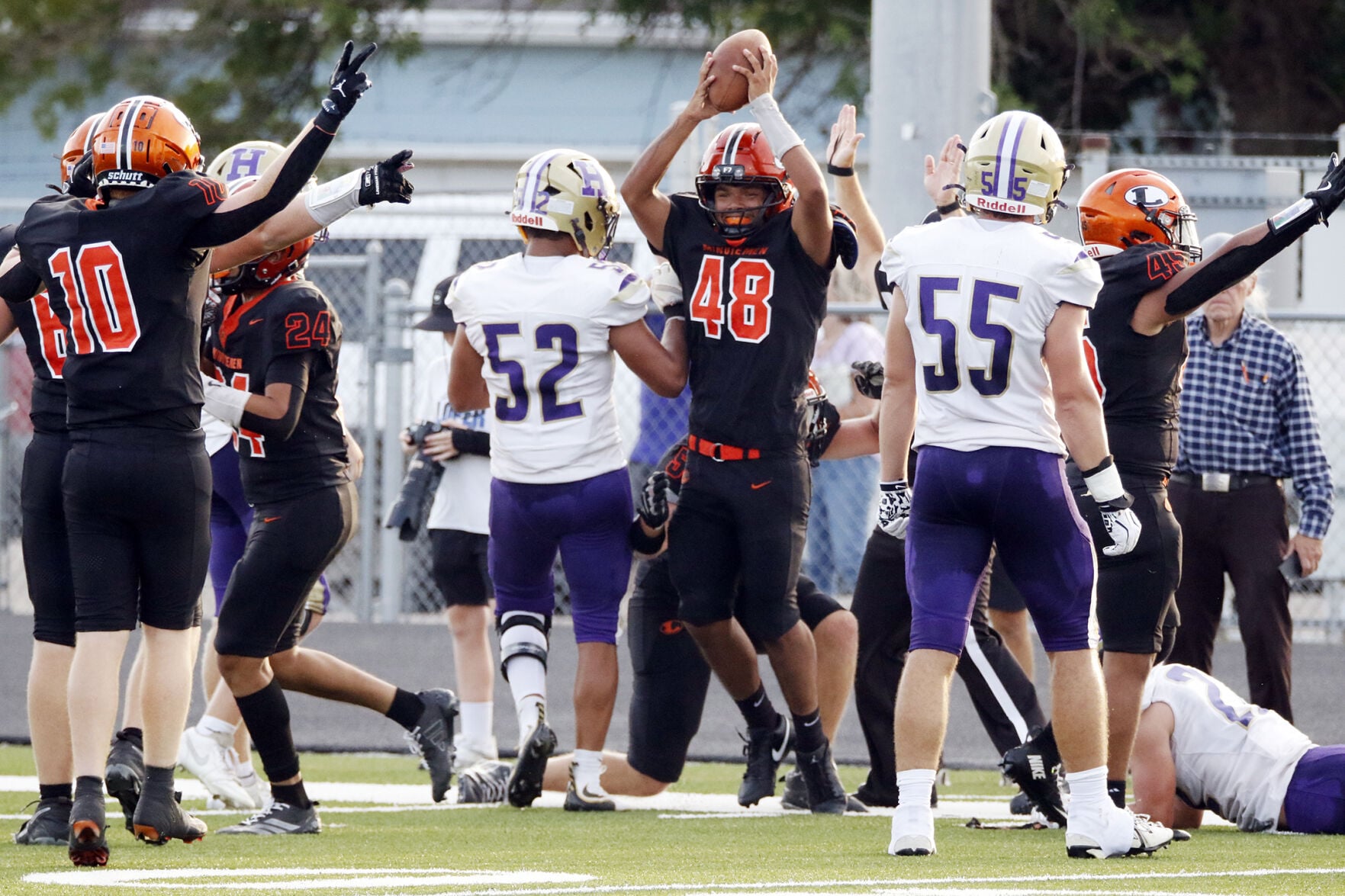
Lexington’s Adrian Ortiz (48) comes up with the football and
celebrates the fumble recovery in the second quarter of the
Minutemen’s home win Friday over Holdrege.
Page A3
Jessica Kennedy
Lexington’s Adrian Ortiz (48) comes up with the football and
celebrates the fumble recovery in the second quarter of the
Minutemen’s home win Friday over Holdrege.
Jessica Kennedy
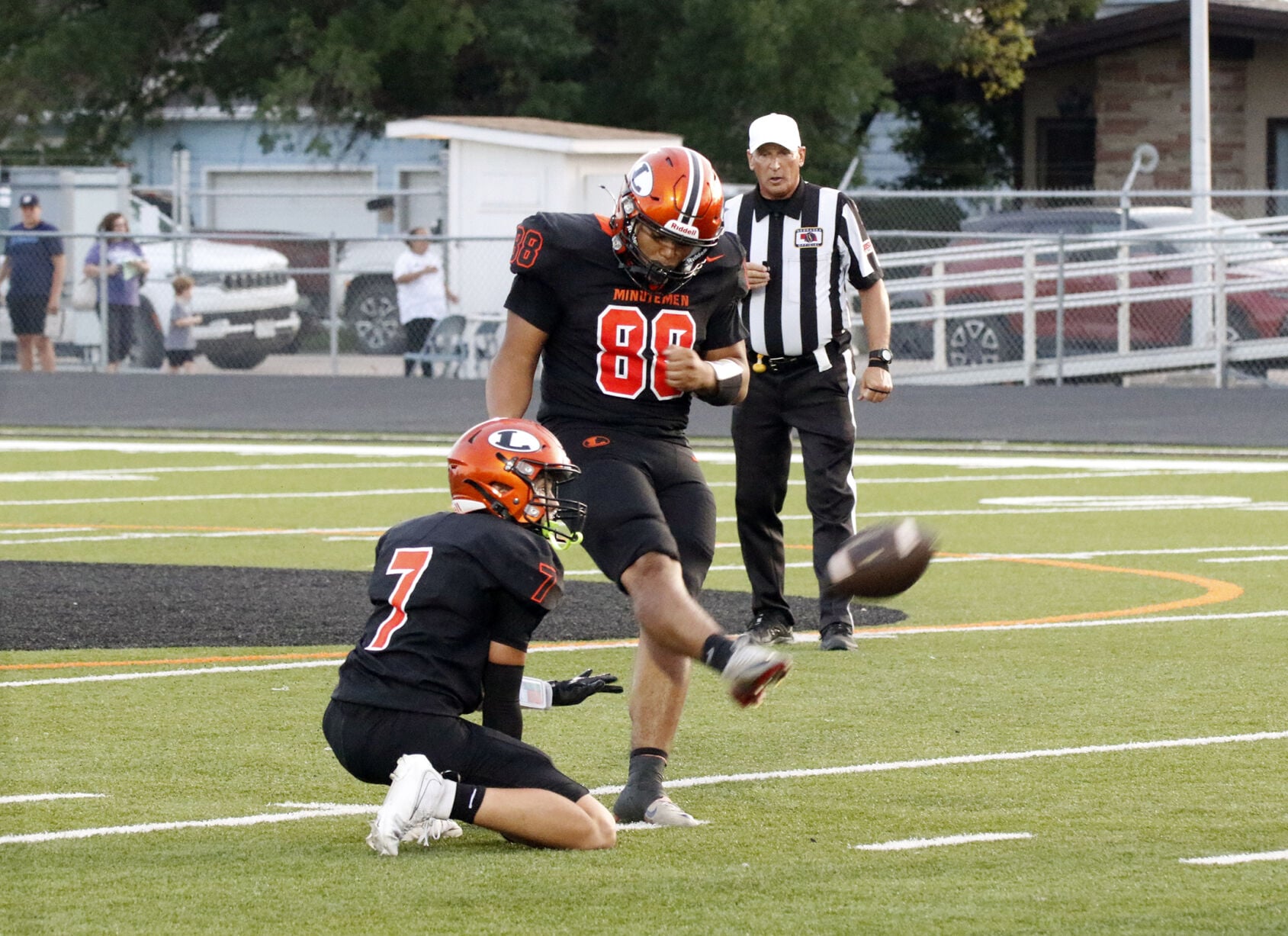
Lexington’s Alexis Alvidrez (88) scores on a field goal from the
27-yard line to put the Minutemen up 16-7 before halftime Friday
against Holdrege.
Page A3
Jessica Kennedy
Lexington’s Alexis Alvidrez (88) scores on a field goal from the
27-yard line to put the Minutemen up 16-7 before halftime Friday
against Holdrege.
Jessica Kennedy
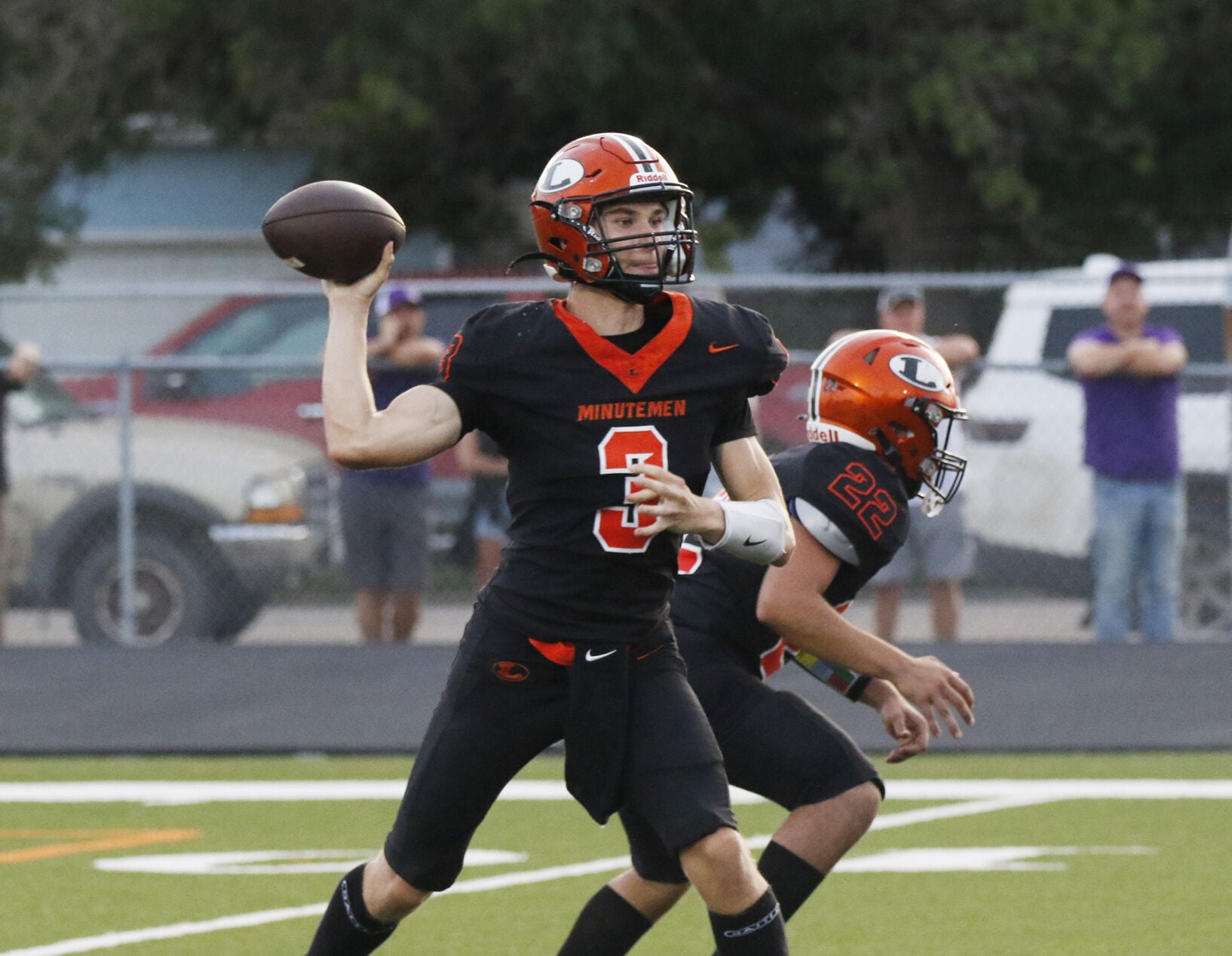
Lexington quarterback Bryant Truax (3) looks to pass to Terrence
Bliven in the second quarter Friday against Holdrege at Ray Ehlers
Stadium in Lexington.
Page A3
Jessica Kennedy
Lexington quarterback Bryant Truax (3) looks to pass to Terrence
Bliven in the second quarter Friday against Holdrege at Ray Ehlers
Stadium in Lexington.
Click and hold your mouse button on the page to select the area you wish to save or print.
You can click and drag the clipping box to move it or click and drag in the bottom right corner to resize it.
When you're happy with your selection, click the checkmark icon next to the clipping area to continue.